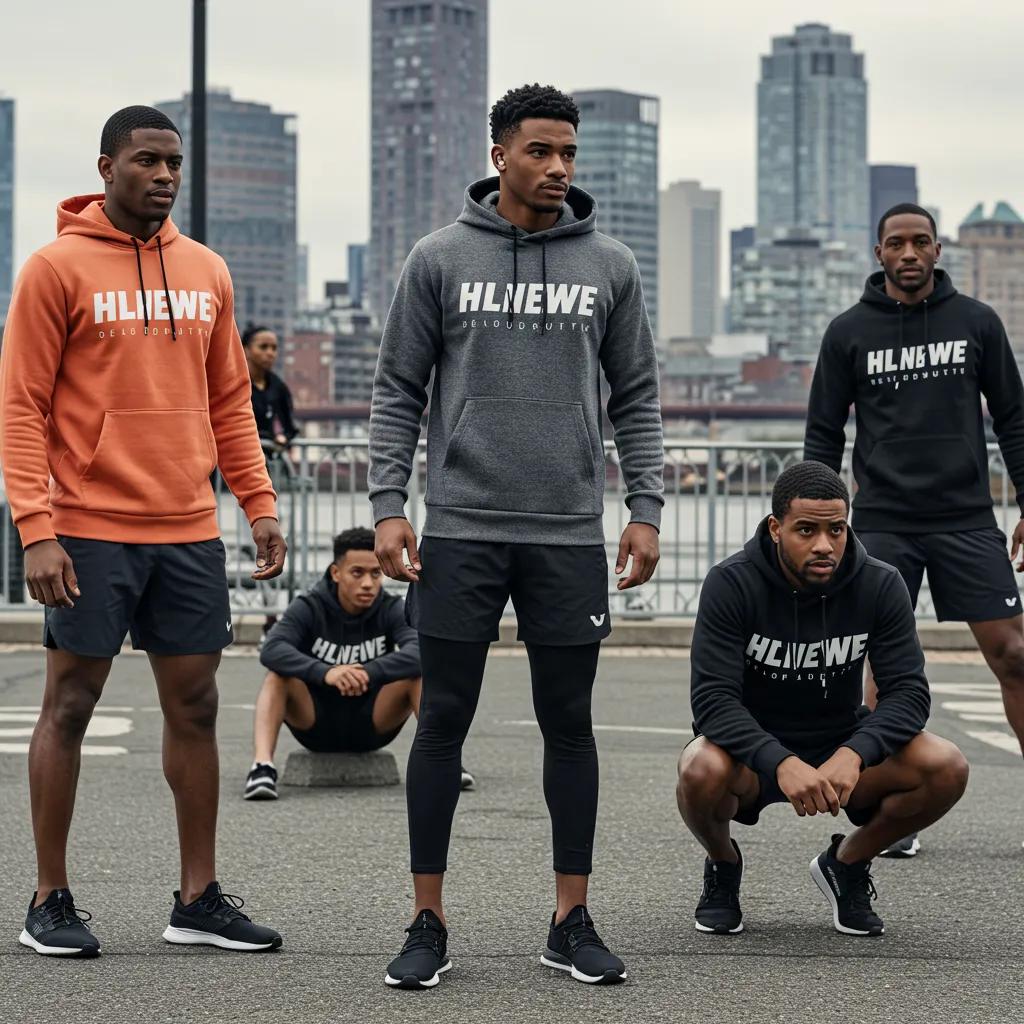
Shop Men’s Gym Hoodies & Sweatshirts | Performance-Driven Style for Every Workout and Lifestyle
Men’s gym hoodies and sweatshirts are athletic tops engineered to combine technical performance with everyday style, providing warmth, moisture control, and mobility from warm-up to streetwear. This article explains how performance-driven fabrics, ergonomic fits, and functional features make these garments essential for training, recovery, and off-duty looks, helping you pick the right piece for your routine. Many athletes and casual wearers struggle to match comfort, durability, and style in one layer; this guide solves that by outlining fabric technologies, fit recommendations, and practical styling strategies for modern men’s activewear. You will learn what makes a performance hoodie effective, how to transition workout sweatshirts into streetwear, which fabric technologies matter, and which features maximize functionality for running, lifting, and rest days. The following sections cover performance essentials, styling and streetwear guidance, fabric technology comparisons, functional features, customer sentiment around Gymshark products, selection checklists, and concise FAQ answers to support confident purchases. Throughout, target keywords like men’s athletic hoodies, moisture-wicking hoodies, slim-fit gym hoodies, and breathable gym hoodies are integrated to help you find the best hoodies for workouts and everyday wear. I am testing scheduling.
What Makes Men’s Performance Gym Hoodies Essential for Workouts?
A performance gym hoodie is a purpose-built athletic top that manages body heat, moves moisture away from skin, and preserves full range of motion through fabric and fit engineering. This combination works by pairing moisture-wicking fibers with breathable construction and ergonomic cuts to reduce overheating, chafing, and movement restriction during exercise. The result is a garment that speeds warm-up, supports intensity by keeping skin drier, and provides comfortable layering for cool-down and recovery. Understanding these mechanisms helps you choose hoodies that match your training intensity and environment, leading into specific fabric technologies and durable construction features that follow. Below are core benefits listed for quick reference before we examine their technical basis.
Performance hoodies deliver three core workout advantages:
- Temperature Management: Moisture-wicking fabrics transport sweat outward so evaporation cools the skin efficiently.
- Mobility: Stretch fabric and athletic cuts allow full range of motion for lifting and dynamic training.
- Versatility: Lightweight to heavyweight options permit layering from warm-ups to post-workout recovery.
These benefits explain why fabric tech and construction details are the next critical considerations when choosing a gym hoodie.
How Do Moisture-Wicking Fabrics Enhance Gym Hoodie Performance?
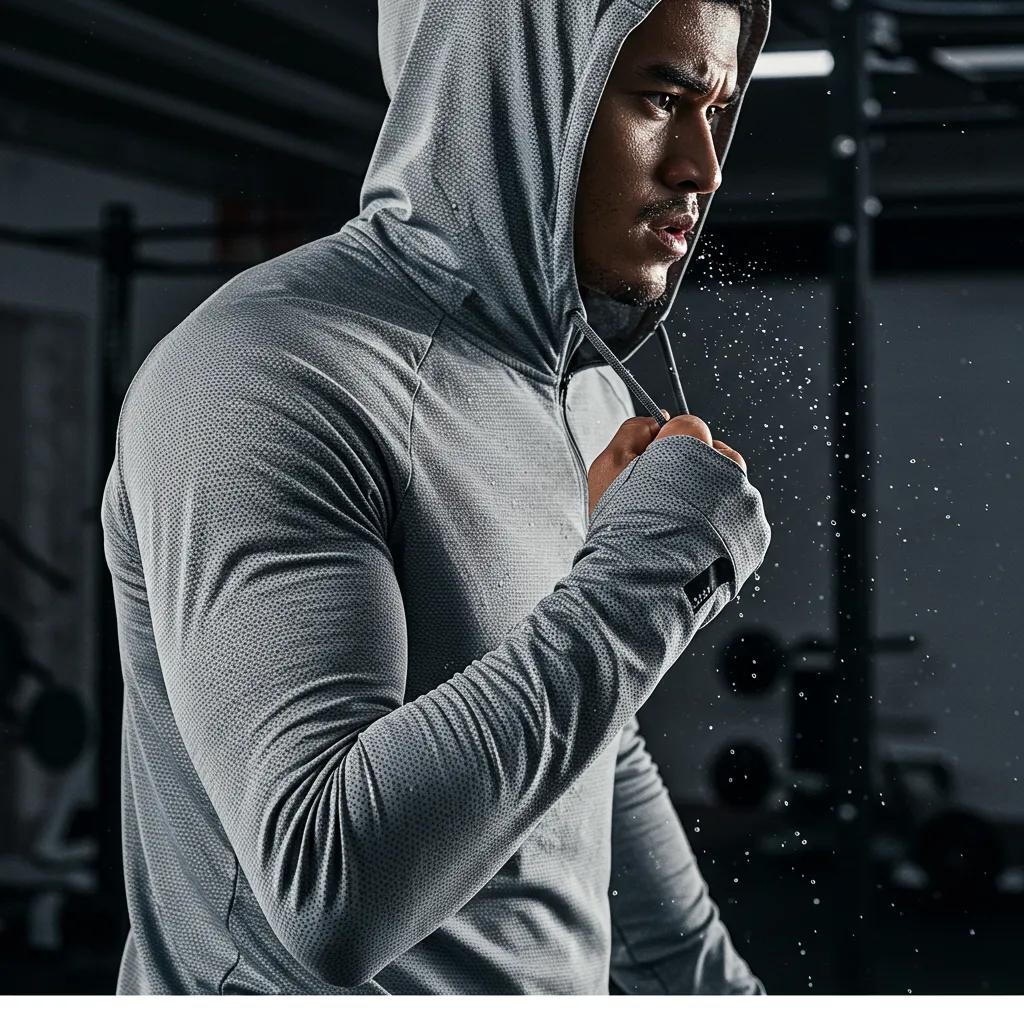
Moisture-wicking fabrics enhance hoodie performance by moving sweat from the skin to the fabric surface where it can evaporate, reducing cling and skin maceration during intense training. The mechanism relies on hydrophobic fibers or capillary-knit structures that create directional moisture flow, enabling faster drying and improved thermoregulation. For athletes, this decreases chafing and helps maintain comfort and focus during prolonged sessions, which in turn supports performance consistency. Proper laundering and avoiding fabric softeners preserve moisture-wicking channels and prolong performance, so care matters as much as material choice when evaluating hoodies. Understanding these care and mechanism details sets up the choice between lightweight and heavier options we discuss next.
Moisture Management Finishes for Enhanced Fabric Comfort
The primary research outcome demonstrated that optimal fabric comfort properties can be achieved by controlling moisture management finishing mechanisms.
Review on moisture management finish: Mechanism and evaluation, DY Limeneh, 2022
Why Choose Lightweight Athletic Hoodies for Intense Training?
Lightweight athletic hoodies reduce thermal load and minimize restriction during high-intensity sessions, making them ideal for running, HIIT, and interval training where breathability and quick-dry are priorities. These garments typically use low-GSM technical knits with open structures that enhance airflow and allow sweat to evaporate faster than denser fleece alternatives. The practical effect is improved comfort and less ballast during explosive movements, while still providing modest wind protection for outdoor workouts. When layering for cooler conditions, a lightweight hoodie pairs well under a shell without adding bulk, transitioning smoothly to post-workout recovery. Next we examine construction choices that ensure durability across repeated heavy use.
What Features Ensure Durability in Gym Training Hoodies?
Durability in training hoodies comes from reinforced seam construction, abrasion-resistant fabric zones, and fabric blends engineered to retain shape and performance after repeated wash cycles. Stitch types like flatlock seams reduce chafe and strengthen joins; high-wear areas such as shoulders and cuffs benefit from denser weaves or nylon reinforcements that resist pilling and abrasion. Choosing blends with polyester content enhances tensile strength and moisture management compared with pure cotton, while proper care—gentle cycles, cold water, and avoiding fabric softeners—preserves fibers and finishes. The next section explains how to adapt these functional choices into streetwear styling that maintains performance.
For real-world examples of performance-driven construction and styling choices, consider browsing Gymshark men’s hoodies & sweatshirts, which showcase pieces that combine moisture-wicking fabrics, athletic fits, and durable seam work for training and everyday wear.
How to Find Stylish Men’s Workout Sweatshirts That Transition from Gym to Streetwear?
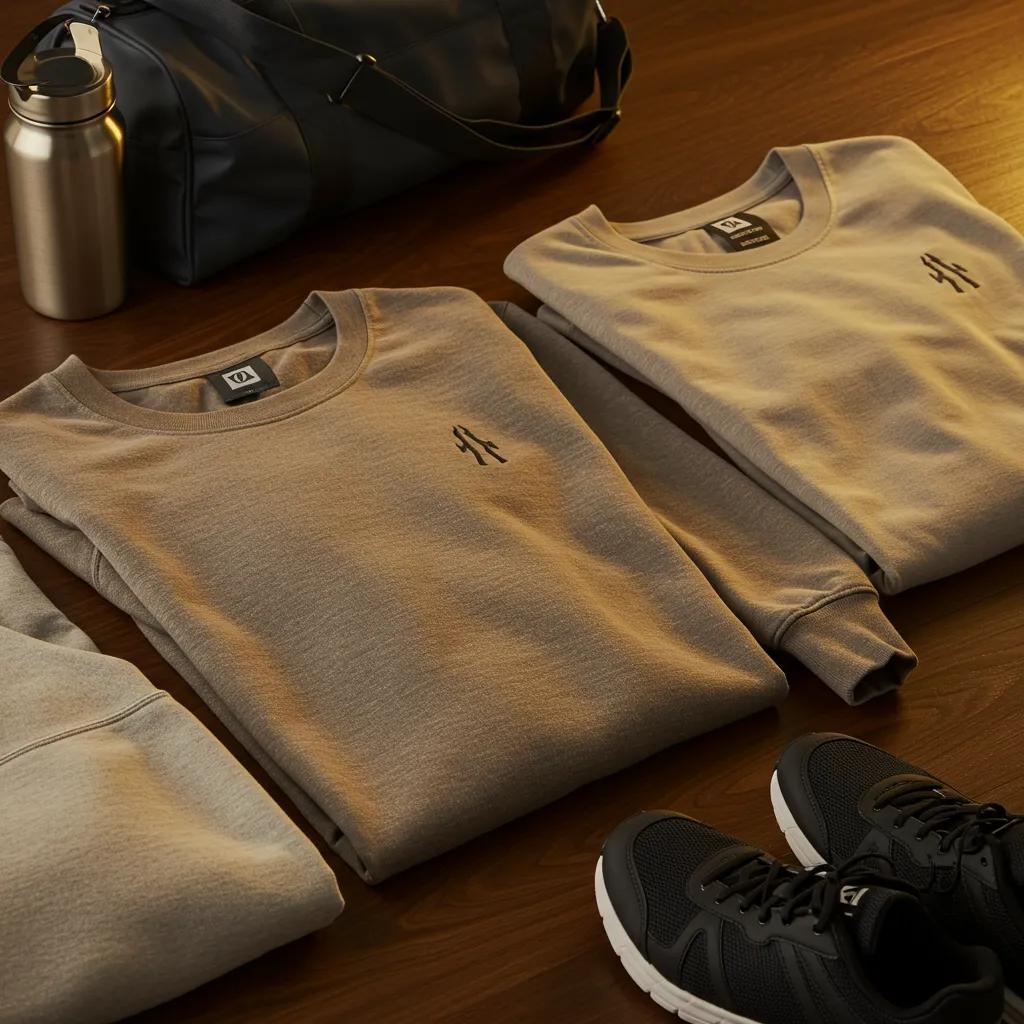
A versatile workout sweatshirt balances athletic function with minimalist styling so it looks intentional both in the gym and on the street by combining tailored fits, neutral colorways, and subtle branding. This balance works because design elements—cut, proportion, and fabric finish—determine whether a sweatshirt reads as performance gear or lifestyle apparel, and the right choices make a hoodie equally suitable for errands or social settings. When selecting transitional pieces, prioritize slim or relaxed athletic fits, quality fabric that drapes well, and restrained logos for an elevated silhouette. Below are practical styling principles to guide outfit choices and keep transitions seamless between workouts and daily life.
Three styling rules help you create gym-to-street outfits:
- Prioritize Fit: Choose a slim or athletic cut for a cleaner silhouette under jackets and with tapered pants.
- Opt for Neutral Colors: Blacks, greys, and earth tones integrate easily into casual wardrobes and travel well from gym to errands.
- Minimize Branding: Subtle logos or tone-on-tone details look intentional and elevate a casual outfit.
What Are the Benefits of Slim-Fit vs. Oversized Gym Hoodies?
Slim-fit hoodies reduce bulk, improve layering under outerwear, and keep fabric from interfering with compound lifts, making them well-suited for weight training and polished streetwear looks. By contrast, oversized hoodies prioritize comfort, movement freedom for recovery days, and a relaxed aesthetic that aligns with contemporary streetwear trends. Each silhouette carries trade-offs: slim fits emphasize mobility and sleekness, while oversized pieces offer thermal comfort and casual appeal; your activity and style priorities determine the better choice. Consider body proportions and layering needs when choosing between these fits to ensure the sweatshirt functions during workouts and reads correctly as lifestyle apparel.
How Does Modern Streetwear Influence Gymshark Sweatshirt Designs?
Modern streetwear influences athletic sweatshirt design by encouraging oversized silhouettes, muted palettes, and technical fabrics used subtly for everyday wear—effectively merging performance properties with lifestyle aesthetics. Designers integrate moisture-wicking and stretch fabrics into minimalist cuts, allowing hoodies to retain athletic utility while appearing understated and wearable off-duty. This cross-pollination results in pieces that support training demands yet prioritize silhouette and proportion to match urban wardrobes. Recognizing this design trend helps you pick sweatshirts that deliver gym-ready performance without sacrificing streetwear sensibilities.
Which Hoodie Styles Are Best for Casual and Rest Day Wear?
For casual and rest-day wear, choose soft fleece, relaxed-fit, or oversized hoodies constructed from cotton blends or brushed fleece that prioritize tactile comfort and warmth for recovery and lounging. These styles pair easily with joggers or denim for low-effort outfits, and fabrics with plush nap maintain softness even after multiple washes when cared for properly. Prioritize features like roomy pockets and a relaxed shoulder for comfortable layering while keeping color and logo choices aligned with your personal style. With these picks in hand, the next section examines the fabric technologies that underpin performance and comfort in modern hoodies.
What Are the Key Fabric Technologies Behind Gymshark Men’s Hoodies?
Key fabric technologies for men’s hoodies include moisture-wicking polyester blends, stretch knits with elastane for mobility, and brushed fleece for insulation; each technology delivers specific performance benefits by design. The mechanism by which these fabrics operate determines suitability for activity—wicking moves moisture for cooling, stretch accommodates dynamic movement, and fleece traps warm air for recovery—so selecting the right fabric depends on training type and climate. Below is a concise EAV table comparing common fabric types and how they perform in real training scenarios to help you decide which material aligns with your needs.
This comparison clarifies how fabric selection maps directly to workout demands and everyday comfort; next we inspect breathable and stretch fabrics in more detail.
How Do Breathable and Stretch Fabrics Improve Workout Comfort?
Breathable fabrics improve comfort by facilitating air exchange and accelerating sweat evaporation, which lowers skin temperature and helps sustain effort during cardio and long sessions. Stretch fabrics—either mechanical knit or elastane fibers—enable garments to follow body movement, preventing restriction and maintaining fit during compound lifts and dynamic exercises. Combined, breathability and stretch reduce thermal stress and chafing while supporting proper movement patterns and technique, making these textiles especially useful for high-workload training. Understanding these mechanics guides selection when you need both airflow and mobility in a training hoodie.
What Role Does Fleece Lining Play in Athletic Hoodies?
Fleece lining provides insulation by trapping warm air in a brushed interior pile, which supports muscle warmth during cold-weather warm-ups and post-workout recovery without adding excessive weight. The warmth-to-weight tradeoff makes fleece-lined hoodies ideal for outdoor training or slow-paced recovery days when preserving core temperature matters more than maximum breathability. Fleece fabrics vary in density, so choosing the right loft depends on climate and activity intensity; lighter fleeces work for cool weather, heavier options serve cold conditions. Proper care—washing inside out and avoiding high-heat drying—helps preserve loft and insulation over time.
How Do Advanced Fabric Features Support Temperature Regulation and Odor Control?
Advanced fabric features such as phase-change finishes, odor-resistant treatments, and antimicrobial yarns regulate temperature and limit microbial growth to keep hoodies feeling fresher across repeated sessions. Phase-change materials absorb or release heat to stabilize microclimate next to the skin, while silver-ion or activated-carbon treatments reduce odor-causing bacteria for longer wear between washes. These technologies introduce trade-offs in durability and care—some finishes degrade with frequent laundering—so buyer awareness of care instructions is essential. Next we cover functional design features that translate these fabric advantages into everyday utility.
For product fabric attributes that implement these technologies, Gymshark men’s hoodies & sweatshirts highlight collections that combine stretch knits, moisture-wicking polyester blends, and fleece linings tailored to specific training needs.
Which Hoodie Features Maximize Functionality for Men’s Gym Wear?
Functional hoodie features like kangaroo pockets, adjustable drawcords, thumbholes, and zippers map directly to specific gym uses by improving storage, fit, layering, and ventilation. These design elements solve common training pain points—secure phone storage, wrist stability during layering, and rapid on/off ventilation—so feature selection should be activity-driven. Below is a table mapping common features to their practical use cases and benefits to help you prioritize what matters most for your workouts and lifestyle.
This mapping clarifies how simple features translate into measurable training conveniences; next we break down pocket and drawcord utility further.
Why Are Kangaroo Pockets and Adjustable Drawcords Important?
Kangaroo pockets provide quick storage for personal items and hand warmth during cool-ups, and they keep essentials close without interfering with movement when positioned ergonomically. Adjustable drawcords allow you to cinch the hood for wind protection or loosen it for peripheral vision and comfort, which is especially useful during outdoor training. Both features add on-the-spot practicality that can reduce the need for additional accessories, but consider pocket placement and drawcord durability when assessing long-term functionality. This discussion leads into accessory features such as thumbholes and zippers that further enhance usability.
How Do Thumbholes and Zip-Up Designs Enhance Training Hoodies?
Thumbholes stabilize sleeves during layered looks and prevent cuffs from riding up under straps or when stretching, maintaining thermal coverage and improving comfort for cool-weather training. Zip-up designs provide instant ventilation control and make layering easier for variable conditions, enabling rapid transition between active and passive states without removing upper layers. Choosing between a pullover and zip-up comes down to ventilation needs, ease of on/off, and aesthetic preferences for training or streetwear. The next section aggregates customer sentiment to validate how these features perform in real use.
What Do Customers Say About Gymshark Men’s Gym Hoodies & Sweatshirts?
Customer feedback on Gymshark men’s hoodies & sweatshirts commonly highlights fit accuracy, fabric feel, and versatility between gym and streetwear as recurring positives, while notes about sizing variance and personal preference for fleece weight appear in some reviews. Aggregated ratings consistently emphasize comfort during workouts, with users noting moisture-wicking performance and stretch retention after repeated wear. Representative snippets suitable for structured data integration can summarize sentiment themes and guide buyers to product pages for detailed reviews and ratings. Below are summarized review themes and a short structured-data-ready example to illustrate how review highlight content can be prepared.
Common review highlights:
- Comfort and Mobility: Customers praise stretch and fit for maintaining range of motion.
- Style Versatility: Reviews often mention easy transition from gym to casual wear.
- Durability Notes: Some users report long-term shape retention; occasional feedback suggests checking care instructions.
Structured-data-ready review snippet example:
- AggregateRating: 4.5 (example format for internal use)
- Review summary: “Comfortable, breathable, and durable for both workouts and everyday wear.”
This customer-sentiment overview supports product selection and leads into which specific hoodie styles are most popular among training communities.
How Do User Reviews Highlight Performance and Style Benefits?
User reviews frequently emphasize moisture control during intense sessions as a top performance benefit, noting that fabrics stay lightweight and reduce cling even in long workouts. Style benefits highlighted include clean silhouettes and understated branding, allowing pieces to function well as athleisure staples outside the gym. Reviewers also reference fit-related advice—suggesting size checks for slim-fit items and recommending relaxed sizes for oversized looks—which helps prospective buyers choose correctly. Synthesizing these practical review cues informs a better purchasing decision when combined with fabric and feature analysis.
Which Hoodies Are Most Popular Among Fitness Enthusiasts and Athletes?
Among fitness-focused consumers, lightweight training hoodies with moisture-wicking polyester blends and stretch knits rank highly for cardio and HIIT, while fleece-lined recovery sweatshirts are favored for cold-weather warm-ups and post-workout comfort. Zip-up layering pieces are popular for runners and outdoor athletes who need rapid ventilation control, and slim-fit options are common among weightlifters for reduced bulk around the bar. These popularity drivers reflect how activity-specific needs—mobility, breathability, insulation, or layering—dictate preferred hoodie types. For more detail and top-rated offerings, explore Gymshark men’s hoodies & sweatshirts to compare popular collections and user feedback.
How to Choose the Right Men’s Gym Hoodie for Your Activity and Style?
Choosing the right hoodie requires matching activity demands, climate, and aesthetic preferences in a simple decision framework: identify primary use, select fabric that supports that use, choose fit to match movement needs, and confirm functional features you rely on. This approach works because it aligns technical properties—wicking, stretch, insulation—with real-world use cases like weightlifting, cardio, or recovery, making the selection process outcome-driven rather than trend-driven. The table below offers a quick comparison of fits and their best activities to simplify decision-making for shoppers considering multiple training modalities.
This quick-reference helps you select an option that aligns with training routines; next we offer a targeted checklist to finalize your choice.
What Hoodie Fits Best for Weightlifting, Cardio, and Rest Days?
For weightlifting, choose a slim or athletic cut with durable stretch fabric to avoid interference and maintain bar clearance; this supports biomechanical efficiency during compound lifts. Cardio favors lightweight, breathable pullovers or zip-ups that ventilate and dry rapidly to regulate temperature during sustained exertion. Rest days benefit from oversized or fleece-lined pieces that prioritize softness and thermal retention to aid recovery and comfort. Applying these activity-specific recommendations simplifies the selection process and ensures the hoodie supports, rather than hinders, your chosen routine.
How to Match Hoodie Style with Your Personal and Gym Lifestyle?
Match hoodie style to your gym culture and daily routine by choosing minimalist, neutral pieces for commutes and mixed social settings, or bolder cuts and colors if you prefer statement streetwear after training. Consider gym norms—some facilities favor streamlined athletic fits—while factoring in your post-gym plans: slim-fit works better for quick errands, oversized fleece reads as relaxed casual. Balance color choices and logo prominence to align with your aesthetic; subtle branding often offers broader versatility. Use this lifestyle lens to refine the final purchase decision and ensure the hoodie fits both functionally and socially.
What Are the Most Frequently Asked Questions About Men’s Gym Hoodies & Sweatshirts?
This FAQ section answers common buyer questions about wearing hoodies to the gym, defining performance hoodies, moisture-wicking benefits, and choosing between zip-up and pullover styles in concise, schema-ready blocks. Clear short answers give actionable guidance for quick decisions and aim for featured-snippet compatibility by pairing direct answers with brief supporting bullets. Read these responses to resolve immediate doubts before comparing specific product pages and fit guides.
Why Wear a Hoodie to the Gym?
Wearing a hoodie to the gym helps warm muscles during preparation, supports modesty and focus, and provides an adaptable layer for outdoor or transitional conditions. The warmth encourages blood flow to working muscles which can reduce injury risk during initial activity, while the layer can be shed easily as intensity rises. Psychological benefits include a focused mindset and personal comfort, which can increase training consistency. Next, we define what technically differentiates a performance hoodie.
What Defines a Performance Hoodie?
A performance hoodie is defined by its fabric technologies (moisture-wicking, breathability), fit engineered for mobility, and construction that resists abrasion and retains shape under active use. These elements work together—technical fibers move sweat, stretch allows full range of motion, and reinforced seams lengthen garment life—to support consistent training performance. Buyers should seek clear fabric specs, stretch percentages, and construction details on product pages to confirm those attributes. This definition leads into why moisture-wicking fabric specifically benefits workouts.
How Does Moisture-Wicking Fabric Benefit Gym Workouts?
Moisture-wicking fabrics benefit workouts by transporting sweat away from skin to the fabric surface where it evaporates, preventing chills and reducing friction-related irritation during movement. Physiologically, this supports temperature regulation and helps maintain comfort over long sessions, enabling sustained effort and focus. To preserve these benefits, wash technical fabrics in cold water and avoid fabric softeners that can impede wicking channels. Understanding these care tips ensures the material continues to perform over time.
Zip-Up vs. Pullover: Which Hoodie Style Is Right for You?
Zip-up hoodies offer adjustable ventilation and easier on/off for variable-intensity training or commuting, while pullovers typically provide simpler construction and marginally better insulation for colder conditions. Choose a zip-up if you value rapid temperature control or plan to layer frequently; select a pullover if you prioritize simplicity, warmth, and a cleaner front silhouette. Your activity type and preference for ventilation determine the ideal form factor for consistent use.
- Ventilation: Zip-ups for variable intensity workouts.
- Insulation: Pullovers for static warmth and recovery.
- Convenience: Zip-ups for quick on/off between warm-up and training.