Your Guide to the Northern Lights Aurora Borealis Phenomenon
Have you ever dreamed of witnessing the mesmerizing dance of the Northern Lights? This guide will unlock the secrets of the Aurora Borealis phenomenon. We’ll explore the science behind these celestial displays, pinpoint prime viewing locations, and share tips for capturing stunning photographs. By the end, you’ll be equipped with the knowledge to plan your own Northern Lights adventure and experience this natural wonder firsthand.
Key Takeaways
- Auroras are natural light displays caused by solar wind interacting with Earth’s magnetosphere
- Northern Lights viewing is best from September to March in locations with minimal light pollution
- Manual camera settings and wide-angle lenses are crucial for capturing stunning aurora photographs
- Auroras have inspired diverse cultural interpretations and artistic representations throughout history
- Online forums, aurora forecasting websites, and photography clubs offer valuable resources for enthusiasts
Understand the Science Behind the Northern Lights Phenomenon
I’ll explore the science behind auroras, including solar winds, Earth’s magnetosphere, and atmospheric conditions. We’ll examine aurora colors, types, and cultural significance. This knowledge enhances appreciation for these natural light displays, whether viewed from a Minneapolis kitchen or while shopping for ASICS MetaSpeed Sky running shoes.
Learn About Solar Winds and Their Role in Auroras
I study solar winds, streams of charged particles ejected from the Sun’s corona, as they play a crucial role in aurora formation. These winds interact with Earth’s magnetosphere, creating the vibrant displays we see in the night sky. While exploring this phenomenon, I’ve found it fascinating how seemingly unrelated elements like health, wall design, track lighting, password security, and LED lamps can connect to our understanding of auroras through scientific principles and energy concepts.
Discover How Earth’s Magnetosphere Works
I’ve studied Earth’s magnetosphere extensively, finding it crucial to understanding auroras. This protective magnetic field shields our planet from solar winds, acting like a vast room that envelops Earth. When charged particles from the universe penetrate this barrier, they interact with our atmosphere, creating the stunning light displays that seem to drop from the sky. Interestingly, the same principles that govern volt lighting in our homes apply to these natural phenomena, though on a much grander scale. It’s remarkable how this invisible force not only protects us from cosmic radiation but also contributes to the breathtaking auroras, reminding us of our planet’s place in the vast, often unseen, structures of space.
Explore Atmospheric Conditions That Create Auroras
I’ve observed that atmospheric conditions play a crucial role in aurora formation. When charged particles from solar winds interact with gases in Earth’s upper atmosphere, they create the mesmerizing light displays we call auroras. This process occurs primarily in the ionosphere, typically 60 to 250 miles above Earth’s surface. The interaction is similar to how a light fixture illuminates a bathroom, but on a much grander scale. Understanding these atmospheric dynamics has enhanced my appreciation for both natural phenomena and educational initiatives, reminding me of the importance of sharing knowledge through methods like mailing lists.
Examine the Colors Displayed in Auroras and Their Causes
I’ve observed that auroras display a range of colors, each caused by specific atmospheric gases. The most common green hue results from oxygen molecules about 60 miles above Earth’s surface, while rare red auroras occur at higher altitudes. Nitrogen produces blue or purplish-red colors, reminiscent of the vibrant aura sky pool. These colorful displays, visible along coastal regions, have inspired many, from sports enthusiasts to home improvement buffs. PBS has featured documentaries exploring this fascinating phenomenon, enhancing our understanding of Earth’s atmospheric light show.
Investigate Different Types of Auroras Worldwide
I’ve studied various types of auroras worldwide, noting their unique characteristics and distribution. The aurora borealis, visible in the northern hemisphere, and aurora australis, seen in the southern hemisphere, share similar formation processes but differ in their visibility patterns. I’ve observed that auroras can take different shapes, from arcs to curtains, depending on the interaction between solar wind and Earth’s magnetic field. The resolution of these displays varies, influenced by factors like solar activity and atmospheric conditions. Interestingly, the Viking Sky cruise ship offers opportunities to view auroras at sea, while the Sensibo Sky smart AC controller uses similar principles of energy efficiency as those found in the sky’s natural light show.
Study Historical Significance of Auroras in Various Cultures
I’ve studied the historical significance of auroras across various cultures, finding fascinating connections to astronomy and language. Ancient civilizations often interpreted these celestial displays as omens or divine messages. For instance, in Old English, auroras were called “readinglight” or “streamers.” During my explorations, I’ve used a scanner sky app to identify constellations while observing auroras, enhancing my holiday experiences. Here’s a brief overview of aurora interpretations in different cultures:
- Norse mythology: Bridge to Valhalla
- Inuit tradition: Spirits of the dead
- Cree people: Dance of the spirits
- Ancient Chinese: Celestial battle
- Finnish folklore: Firefox’s tail
Identify the Best Locations to Witness the Auroral Displays
I’ve researched the best locations to witness auroral displays, comparing viewing opportunities across countries and evaluating accessibility. I’ll guide you through planning your trip around peak aurora seasons, considering guided tours versus self-guided options, and discovering accommodations near prime viewing sites. From remote landscapes to urban skies, I’ll help you find the perfect spot to experience these celestial lights.
Research Top Destinations for Northern Lights Viewing
I’ve researched top destinations for Northern Lights viewing, focusing on locations with optimal conditions. My findings highlight Tromsø, Norway, known for its sky walk and high aurora activity rating. Alaska’s Fairbanks offers excellent viewing opportunities, with some hotels featuring special roof lighting for aurora watching. I’ve also explored Yellowknife, Canada, where French-inspired pendant lighting in cabins complements the natural celestial display. These destinations combine natural beauty with thoughtful amenities, enhancing the aurora viewing experience.
Compare Viewing Opportunities Across Different Countries
I’ve compared viewing opportunities across different countries, finding unique experiences in each. In Iceland, I witnessed auroras dancing above city streets illuminated by LED strip lights, creating a mesmerizing contrast. Norway offers custom neon signs in viewing areas, enhancing the experience. I’ve found online resources invaluable for planning trips to Finland, where Christmas lights in towns complement the natural sky show. Each country provides distinct viewing opportunities, blending natural wonders with local culture.
Evaluate Accessibility and Amenities at Key Locations
I’ve evaluated the accessibility and amenities at key aurora viewing locations, focusing on comfort and convenience. Many sites now offer well-lit sidewalks and strategically placed floor lamps, enhancing safety without interfering with the night sky’s beauty. I’ve found that some locations provide cozy viewing areas equipped with warm lamps, perfect for those chilly nights spent gazing at the Northern Lights. For runners, I’ve noticed trails near viewing spots where you can test your ASICS MetaSpeed Sky shoes during the day before settling in for the celestial show at night.
Plan Your Trip Around Peak Aurora Seasons
I plan my aurora-viewing trips around peak seasons, typically from September to March in the Northern Hemisphere. During these months, I’ve found that longer nights increase the chances of spotting the celestial light show. I often bring portable solar lights for outdoor use, as they’re eco-friendly and don’t interfere with night sky visibility. In my experience, locations with minimal light pollution offer the best views, so I avoid areas with excessive ceiling lights or chandeliers. I always keep a small cart handy to transport my viewing equipment and lighting gear to optimal spots.
Consider Guided Tours Versus Self-Guided Options
I’ve weighed the benefits of guided tours versus self-guided options for aurora viewing. Guided tours offer expert knowledge about the science behind the phenomenon and often provide specialized light fixtures to enhance the experience. However, self-guided trips allow for more flexibility in exploring remote skies and indulging in the fantasy of personal discovery. I’ve found that combining both approaches can offer a comprehensive understanding of this celestial light show.
Discover Accommodations Near Prime Viewing Sites
I’ve discovered various accommodations near prime aurora viewing sites that offer unique experiences. Some lodges feature glass ceilings for unobstructed sky views, while others provide outdoor lights designed to minimize light pollution. I’ve stayed at places equipped with dimmable table lamps and high-quality audio systems for ambient nature sounds. Here’s a list of accommodation types I’ve encountered:
- Glass-roofed igloos
- Remote wilderness cabins
- Luxury eco-lodges
- Aurora-viewing hotels
- Treehouse accommodations
Prepare for Your Northern Lights Adventure and Experience
I’ve prepared a comprehensive guide for your Northern Lights adventure. I’ll cover essential cold-weather gear, camera equipment for aurora photography, and tips for organizing your itinerary. I’ll also discuss staying informed about solar activity, arranging transportation in remote areas, and understanding local customs. My smart mobile app helps track celestial events, while considering policies on neon signs and ceiling fans with lights in viewing areas.
Pack Essential Gear for Cold Weather Conditions
I pack essential gear for cold weather conditions when preparing for Northern Lights viewing. My kit includes thermal layers, insulated boots, and a windproof outer shell. I’ve found that hand and foot warmers are crucial for extended outdoor sessions. While planning, I consider the indoor comfort of accommodations, noting that some remote lodges use ceiling fans for air circulation even in cold climates. Here’s my checklist for cold weather essentials:
- Thermal base layers
- Insulated mid-layer
- Waterproof and windproof outer layer
- Warm, waterproof boots
- Insulated gloves and hat
- Hand and foot warmers
- Thermal socks
- Insulated water bottle
Ensure You Have the Best Camera Gear for Capturing Auroras
I ensure I have the best camera gear for capturing auroras, which includes a DSLR or mirrorless camera with manual settings, a wide-angle lens with a large aperture, and a sturdy tripod. I always pack extra batteries, as cold temperatures can drain them quickly. My experience has taught me that a remote shutter release helps reduce camera shake during long exposures, essential for crisp aurora images.
Organize Your Travel Itinerary for Optimal Aurora Viewing
I organize my travel itinerary for optimal aurora viewing by prioritizing locations with high aurora activity and clear skies. I plan multiple viewing nights to increase my chances of witnessing the phenomenon. My itinerary includes daytime activities near prime viewing spots, allowing for flexibility in case of unexpected solar activity. Here’s my typical aurora viewing schedule:
- Check aurora forecasts daily
- Choose viewing locations away from light pollution
- Plan early evening arrival at viewing spots
- Allow for 3-4 hours of viewing time
- Include backup indoor activities for cloudy nights
Stay Informed About Solar Activity Forecasts
I stay informed about solar activity forecasts to maximize my chances of witnessing auroras. I use reliable space weather prediction services and apps that provide real-time updates on solar flares and geomagnetic activity. By monitoring these forecasts, I can adjust my viewing plans accordingly, ensuring I’m in the right place at the right time to experience the Northern Lights.
Make Arrangements for Transportation in Remote Areas
I make thorough arrangements for transportation in remote areas when planning my Northern Lights adventures. I research and book reliable local transport services, often opting for 4×4 vehicles equipped to handle challenging terrain and weather conditions. In some locations, I’ve found that snowmobiles or dog sleds offer unique ways to reach secluded viewing spots. I always carry a detailed map and GPS device, as cell service can be unreliable in remote regions.
Familiarize Yourself With Local Customs and Safety
I always familiarize myself with local customs and safety guidelines before embarking on a Northern Lights adventure. I research appropriate behavior at viewing sites, respecting both the environment and local communities. Safety is paramount, so I learn about potential hazards in remote areas and follow guidelines for cold weather survival. I’ve found that understanding local etiquette, such as how to interact with indigenous guides or navigate local transportation systems, enhances my overall experience and ensures I’m a responsible visitor.
Capture Stunning Photographs of the Northern Lights
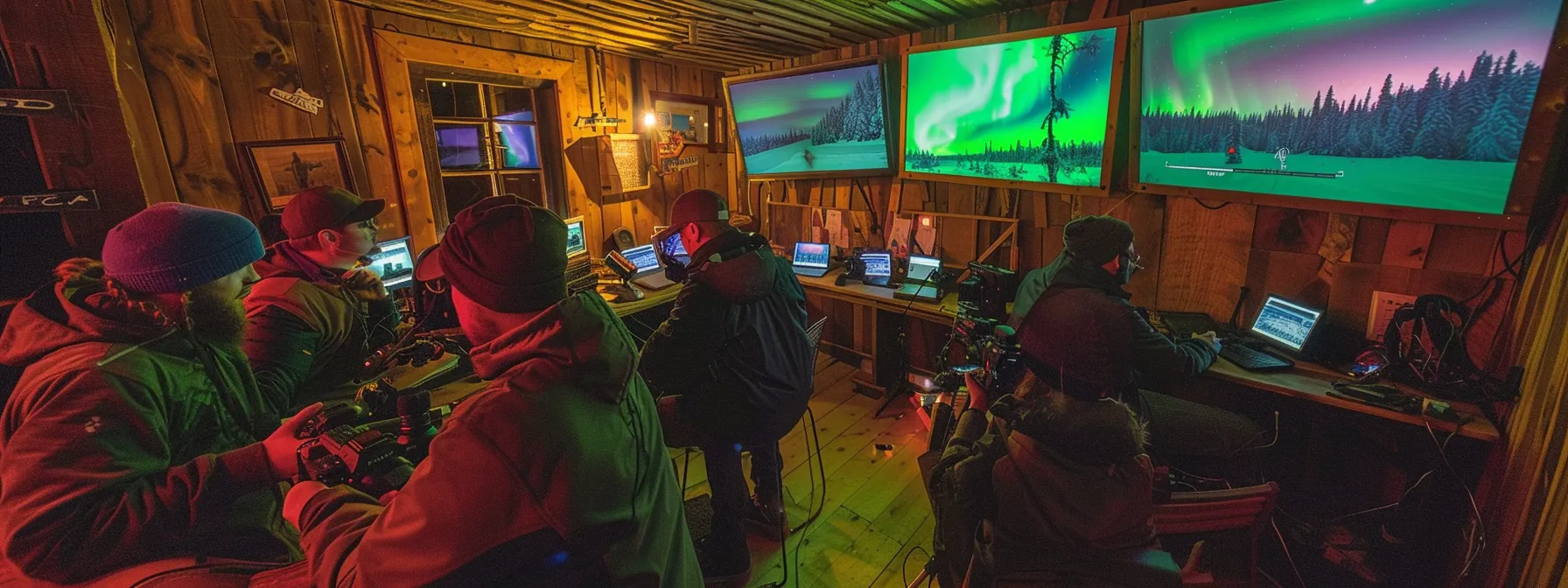
I’ll guide you through capturing stunning photographs of the Northern Lights. We’ll explore manual camera settings, lens experimentation, framing techniques, exposure adjustments, and post-processing tips. I’ll also share effective ways to showcase your aurora images on social media. These strategies will help you create memorable photographs of this breathtaking natural phenomenon.
Utilize Manual Camera Settings for Clear Imagery
I always use manual camera settings when photographing the Northern Lights to achieve clear imagery. I set my camera to manual mode, adjusting the aperture to its widest setting (lowest f-number) to capture more light. I typically use a slow shutter speed between 15-30 seconds to allow enough light for the auroras to appear bright in the image. For ISO, I start around 1600 and adjust as needed, balancing light sensitivity with noise reduction.
Experiment With Different Lenses for Unique Perspectives
I experiment with different lenses to capture unique perspectives of the Northern Lights. Wide-angle lenses, typically 14-24mm, allow me to frame expansive sky views with foreground elements. For close-up details, I use telephoto lenses to isolate sections of the aurora. Fisheye lenses create dramatic, curved horizon effects that emphasize the vastness of the auroral display.
Frame Your Shots With Landscapes for Dramatic Effects
I frame my aurora shots with landscapes to create dramatic effects. I often include silhouettes of trees, mountains, or buildings in the foreground to provide scale and context. By positioning my camera low to the ground, I capture reflections of the lights in lakes or icy surfaces, doubling the visual impact. This technique not only enhances the composition but also tells a more complete story of the location where I witnessed the Northern Lights.
Adjust Exposure and ISO for Better Results
I adjust exposure and ISO settings to capture the best Northern Lights photographs. For exposure, I typically start with a 15-second shutter speed and adjust based on the aurora’s brightness and movement. I increase ISO as needed, usually between 1600 and 3200, to balance light sensitivity with image noise. Here’s my process for optimizing these settings:
- Set initial exposure to 15 seconds
- Adjust shutter speed based on aurora intensity
- Start with ISO 1600
- Increase ISO if image is too dark
- Review and fine-tune settings after each shot
Edit Your Photographs to Enhance Aurora Colors
I edit my aurora photographs to enhance their colors while maintaining a natural appearance. I adjust the white balance to correct any color casts, then fine-tune the contrast and saturation to make the auroras pop without looking artificial. I carefully adjust the highlights and shadows to bring out details in both the sky and landscape. Here’s my typical editing workflow:
- Correct white balance
- Adjust exposure and contrast
- Fine-tune highlights and shadows
- Enhance saturation selectively
- Apply noise reduction if necessary
- Sharpen key details
Share Your Images Effectively on Social Media Platforms
I share my aurora images effectively on social media platforms by selecting the best shots and optimizing them for each platform’s specifications. I use relevant hashtags to increase visibility and engage with my audience by responding to comments and questions about the Northern Lights. I also include brief captions describing the location, date, and camera settings used to capture the image, providing context and value to my followers interested in aurora photography.
Understand the Myths and Cultural Significance of Auroras
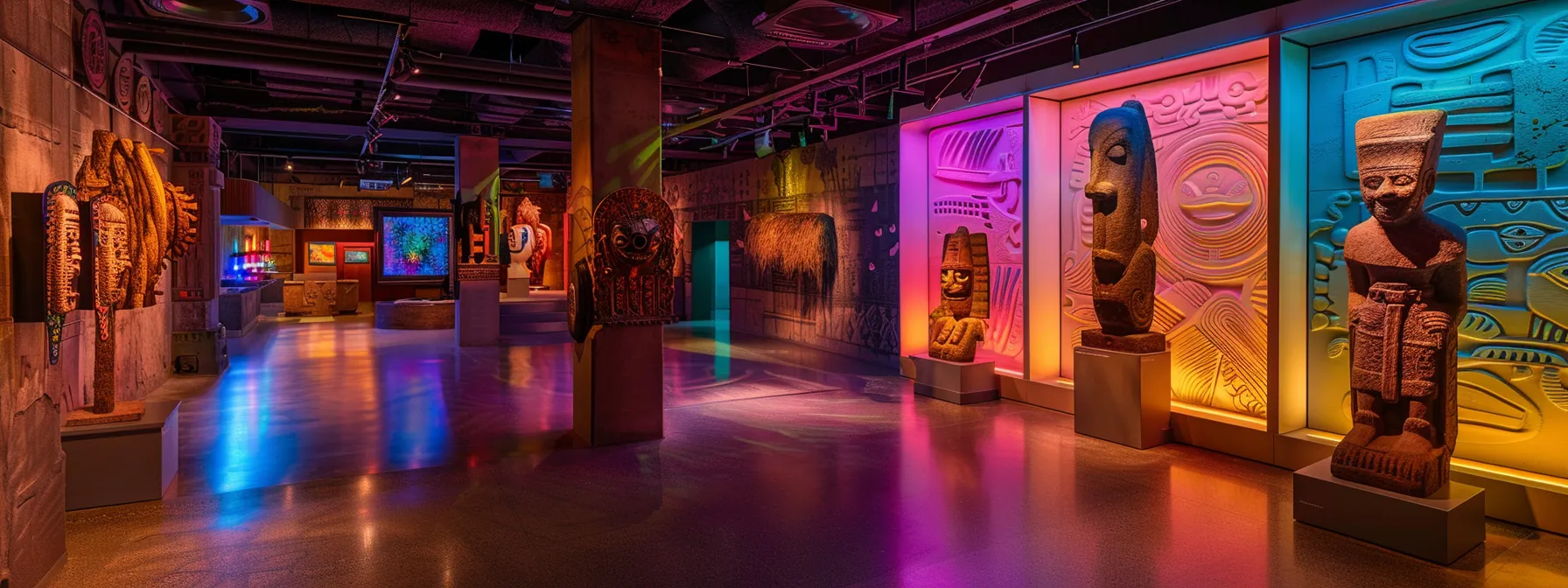
I explore the rich cultural tapestry woven around auroras, from ancient folklore to modern interpretations. Examining myths across civilizations, I uncover symbolic representations in art and discuss the ecological significance of these celestial displays. I also reflect on how auroras continue to inspire creativity and scientific exploration, offering a comprehensive look at their enduring impact on human culture and imagination.
Investigate Folklore Surrounding the Northern Lights
I’ve researched folklore surrounding the Northern Lights across various cultures. Many ancient societies viewed these celestial displays as messages from spirits or omens of significant events. I’ve found that interpretations range from joyous celebrations to warnings of impending doom. Here’s a list of some intriguing folklore I’ve discovered:
- Norse mythology: Valkyries riding across the sky
- Finnish legend: A fox’s tail creating sparks
- Inuit belief: Spirits of ancestors playing celestial games
- Sami tradition: Energies of departed souls
- Scottish lore: Celestial dancers known as “Merry Dancers”
Discover Ancient Civilizations’ Interpretations of Auroras
I’ve delved into ancient civilizations’ interpretations of auroras, uncovering fascinating perspectives. Chinese astronomers meticulously recorded these celestial events, associating them with dragons battling in the sky. I found that ancient Greek philosophers theorized auroras were openings in the celestial sphere, revealing the fiery realm beyond. These diverse interpretations highlight how auroras have captivated human imagination across cultures and time.
Analyze Modern-Day Beliefs Tied to Auroral Appearances
I’ve analyzed modern-day beliefs tied to auroral appearances, noting a shift towards scientific understanding while retaining elements of wonder and spirituality. Many view auroras as symbols of nature’s beauty and Earth’s connection to the cosmos. I’ve observed that some contemporary interpretations link auroras to environmental awareness, seeing them as indicators of our planet’s health. Here’s a list of modern perspectives on auroras I’ve encountered:
- Scientific marvel and educational tool
- Symbol of Earth’s magnetic field protection
- Inspiration for art and photography
- Meditation and spiritual connection focus
- Indicator of space weather patterns
Identify Symbols and Artistic Representations of Auroras
I’ve identified various symbols and artistic representations of auroras in my research. Many artists depict auroras as flowing ribbons or curtains of light, often using vibrant greens and purples to capture their ethereal quality. I’ve noticed that contemporary artists frequently incorporate auroras into digital art and photography, while traditional representations can be found in indigenous paintings and carvings. Here’s a list of common artistic depictions of auroras I’ve encountered:
- Swirling patterns in oil paintings
- Abstract light forms in digital art
- Mythical creatures in indigenous artwork
- Geometric shapes in modern sculptures
- Luminous landscapes in photography
Appreciate the Ecological Importance of Auroras
I’ve studied the ecological importance of auroras, finding they play a crucial role in Earth’s atmospheric dynamics. These celestial displays indicate the interaction between our planet’s magnetic field and solar wind, serving as visible markers of space weather. I’ve learned that auroras contribute to atmospheric circulation patterns and can influence climate systems on a global scale.
Reflect on How Auroras Inspire Creativity and Exploration
I’ve observed how auroras inspire creativity and exploration across various fields. Artists capture their ethereal beauty in paintings and photographs, while scientists delve deeper into understanding the complex physics behind these displays. I’ve seen auroras spark curiosity in children, leading to increased interest in space science and astronomy. Here’s a table summarizing the impact of auroras on different areas:
Stay Engaged With the Northern Lights Community and Resources
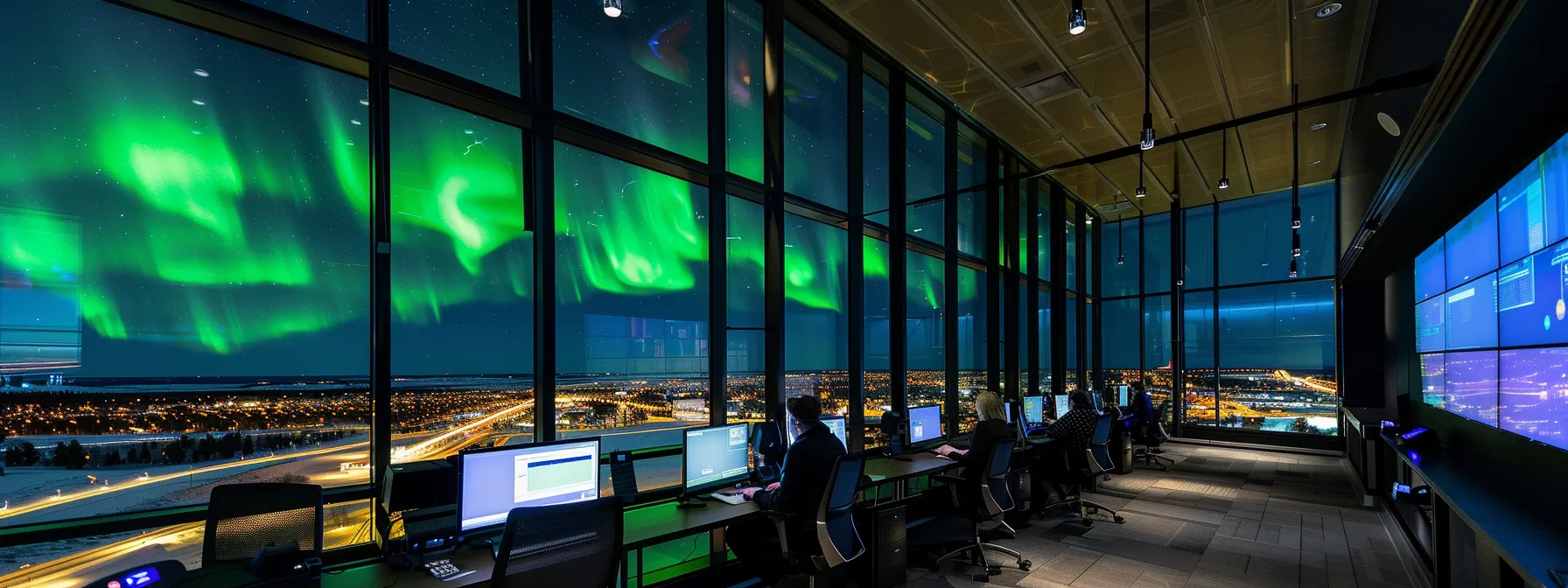
I’ve discovered various ways to stay connected with the Northern Lights community and resources. I’ll guide you through online forums, aurora forecasting websites, photography clubs, and workshops. I’ll also share insights on books and articles about auroras and events celebrating this phenomenon. These resources help deepen understanding and enhance the aurora viewing experience.
Connect With Online Forums and Social Media Groups
I’ve found several online forums and social media groups dedicated to the Northern Lights community. These platforms offer valuable resources for aurora enthusiasts, from sharing real-time sightings to discussing photography techniques. I actively participate in Facebook groups like “Aurora Borealis Notifications” and follow Instagram accounts of professional aurora photographers. These connections have significantly enhanced my aurora viewing experiences and knowledge. Here’s a summary of the online platforms I find most useful:
Follow Aurora Forecasting Websites for Real-Time Updates
I regularly follow aurora forecasting websites for real-time updates on Northern Lights activity. These sites provide crucial data on solar wind conditions, geomagnetic activity, and aurora probability, helping me plan optimal viewing times. I rely on several trusted sources for accurate predictions:
- Space Weather Prediction Center
- Aurora Alert
- Aurora Forecast
- AuroraWatch UK
- Soft Serve News Aurora Forecast
Join Photography Clubs That Focus on Auroras
I’ve joined several photography clubs that focus on auroras, enhancing my skills and connecting with like-minded enthusiasts. These groups offer valuable opportunities to learn from experienced aurora photographers, share techniques, and participate in group expeditions to prime viewing locations. I’ve found that club members often share equipment recommendations and location tips, which have significantly improved my aurora photography results. Through these clubs, I’ve also gained access to exclusive workshops and seminars led by renowned aurora photographers.
Attend Workshops to Improve Your Aurora Photography Skills
I’ve attended several workshops to improve my aurora photography skills, finding them invaluable for honing my techniques. These sessions, often led by experienced aurora photographers, cover topics from camera settings to post-processing methods. I’ve learned to adjust my approach based on different aurora intensities and shapes, improving my ability to capture these ethereal displays effectively. Here’s a summary of key skills I’ve developed through these workshops:
Read Books and Articles About Auroras for Deeper Insights
I regularly read books and articles about auroras to gain deeper insights into this fascinating phenomenon. I’ve found scientific publications particularly enlightening, offering detailed explanations of the physics behind auroral displays. Popular science books have broadened my understanding of the cultural significance of auroras across different societies. These resources have enhanced my appreciation for the Northern Lights and improved my ability to predict and photograph them effectively.
Participate in Events Celebrating the Northern Lights Culture
I participate in events celebrating Northern Lights culture to deepen my connection with this natural phenomenon. These gatherings often feature aurora photography exhibitions, scientific lectures, and traditional storytelling from indigenous cultures. I’ve attended festivals in Alaska and Norway, where I’ve learned about local aurora legends and observed traditional dances inspired by the celestial lights. These events have enriched my understanding of auroras beyond their scientific aspects, highlighting their cultural significance across different communities. Here’s a list of activities I’ve experienced at these events:
- Aurora photography workshops
- Indigenous storytelling sessions
- Scientific lectures on space weather
- Traditional music and dance performances
- Northern Lights-themed art exhibitions