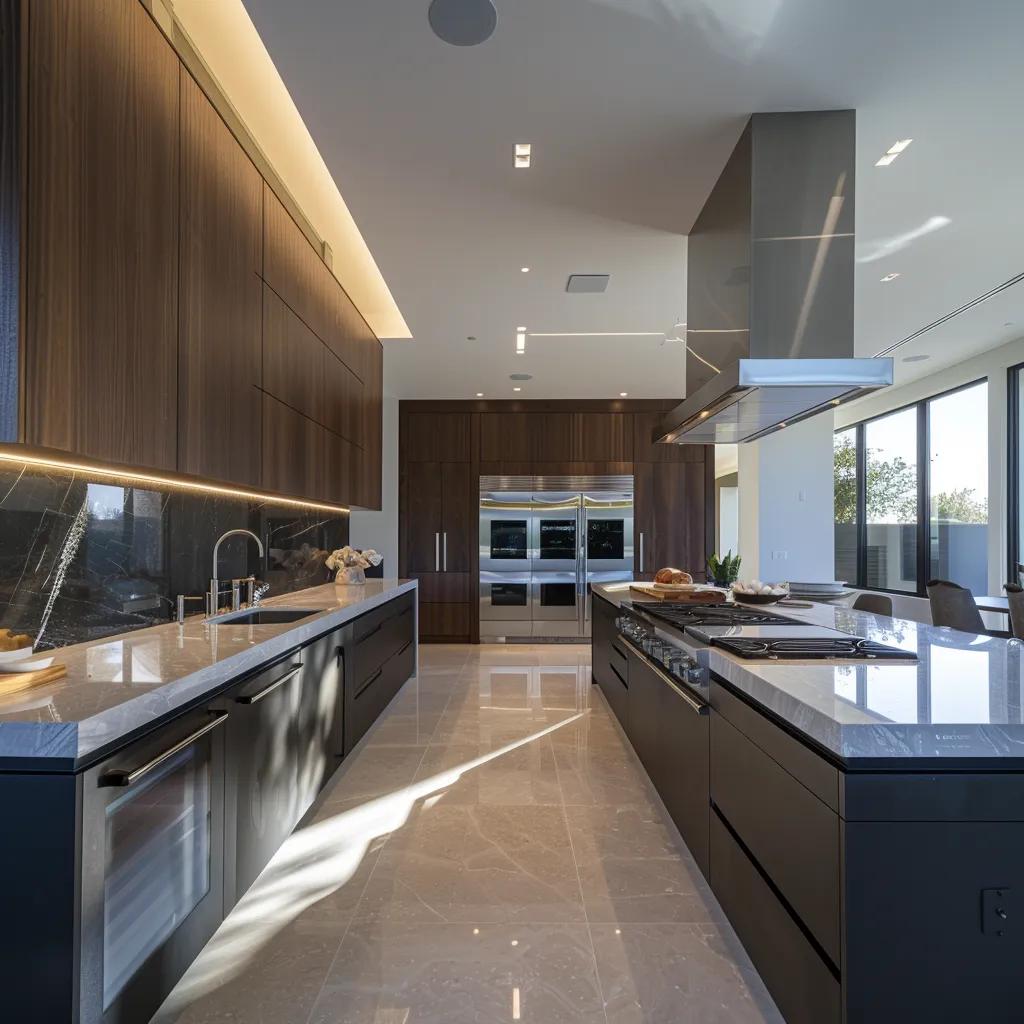
Kitchen Design Ideas to Transform Your Space in 2023
Are you ready to reimagine your kitchen space? Kitchen remodel projects are among the most impactful home improvements, combining practicality with style to create a room that is both functional and beautiful. As trends evolve, there is an increasing focus on sustainable, innovative designs that incorporate recycling, environmentally friendly materials, and smart technology. From quartz countertops and bamboo accents to stainless steel appliances and minimalist cabinetry, every element plays a role in defining the atmosphere and functionality of your kitchen. This article provides comprehensive design ideas that cover every aspect of kitchen transformation—from layout and material innovations to color palette strategies, smart storage, innovative lighting, and sustainable wellness concepts. With a focus on modern trends and practical advice for both large and compact spaces, these ideas not only enhance the aesthetic appeal of your kitchen but will also improve its functionality for everyday use. Discover how simple changes can create a stunning kitchen remodel that highlights unique architectural elements, wood flooring or tile options, and stunning chandeliers while prioritizing recycling and sustainability. Let’s dive into the transformative ideas that will completely change the way you experience your kitchen!
Reimagining Kitchen Layouts to Transform Your Space
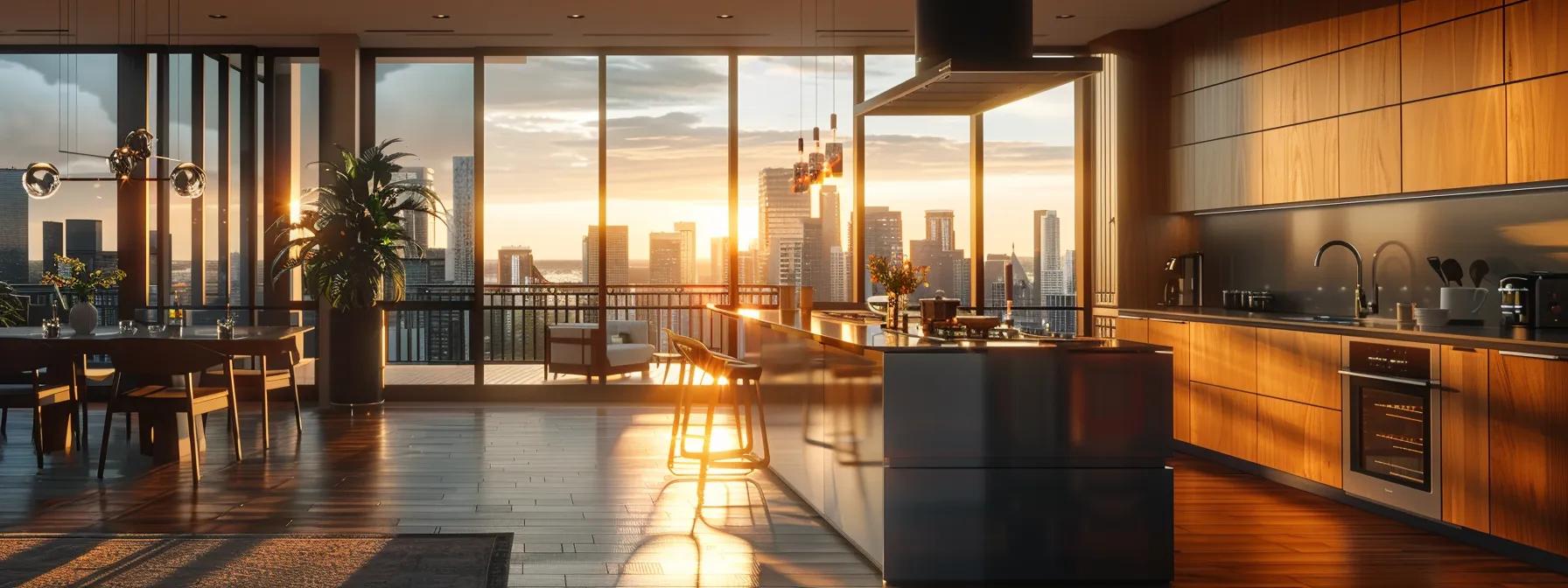
The first step in a kitchen transformation is reimagining the layout to maximize both usability and style. A well-planned kitchen layout ensures efficient work zones and creates a fluid flow that makes cooking and entertaining easier. In today’s trend-driven market, open-concept designs are highly popular. These designs combine the kitchen with dining or living spaces to create an expansive, continuous area that is perfect for modern living.
Open-Concept Kitchen Transformations for Modern Living The open-concept design eliminates walls that traditionally separated the kitchen from other areas. This approach not only makes the room appear larger but also fosters interaction between family members and guests. By blending the kitchen with adjacent spaces, natural light and visual continuity are enhanced, giving the space a modern, airy feel. Contemporary homeowners are increasingly choosing open-concept layouts because they allow for flexible furniture arrangements and create a welcoming, cohesive atmosphere. Additionally, these designs often incorporate large windows and skylights that improve energy efficiency. For instance, a kitchen with a broad island can serve as a dining table during gatherings and then revert to a cooking station during meals. The design also optimizes traffic flow and minimizes congestion, especially in busy households.
Optimizing Work Zones With Strategic Kitchen Layout Ideas 2023 Efficiency in the kitchen is highly dependent on the strategic placement of work zones—areas designated for preparation, cooking, and cleanup. The ideal design follows the kitchen work triangle concept, linking the sink, stove, and refrigerator in close proximity. Modern layouts go even further by incorporating digital controls, touchless faucets, and hidden charging stations to streamline tasks and reduce clutter. Research from the National Kitchen and Bath Association indicates that kitchens with well-defined work zones show an increase in functionality by up to 30%. This means less time wasted in meal preparation and a more enjoyable cooking experience. By applying these intelligent layout ideas, you can ensure that each moment spent in the kitchen supports a smooth workflow and enhances overall productivity.
Incorporating Multifunctional Islands to Transform Kitchen Utility Multifunctional kitchen islands are one of the most iconic features in contemporary kitchen design. These islands not only provide additional countertop space but also offer hidden storage, seating areas, and even integrated appliances. In many designs, islands serve as the centerpiece around which the kitchen is organized. A well-designed island can incorporate a sink, a cooktop, or even a wine cooler, making the kitchen more efficient while maintaining an elegant look. The variety of functions an island can provide makes it a key element of modern kitchen transformations, supporting everything from casual dining to elaborate meal preparations.
Space-Saving Galley Kitchen Designs for Compact Homes For smaller kitchens, space-saving galley designs are a fantastic solution. These narrow layouts maximize the use of limited space by positioning appliances and storage in a linear fashion along one or both walls. The design ensures that every inch is utilized effectively, creating a streamlined and efficient working environment. Innovative storage ideas, such as pull-out pantries and vertical shelving, help keep the space clutter-free. Homeowners with compact urban kitchens can benefit from galley designs that do not compromise on style while ensuring that every detail is tailored for optimum functionality.
L-Shaped and U-Shaped Layouts That Transform Corner Efficiency L-shaped and U-shaped layouts offer excellent opportunities to create dedicated work zones in the corner of your kitchen. These designs allow for a substantial amount of counter space along multiple walls, resulting in a highly functional setup perfect for both cooking and socializing. L-shaped kitchens are particularly popular in open-plan homes because they naturally integrate with dining areas, while U-shaped kitchens provide ample room for additional cabinets and appliances. Both configurations can be enhanced with a strategic lighting scheme and eco-friendly materials to create a space that is as attractive as it is practical.
Material and Texture Innovations Define Kitchen Design Ideas 2023
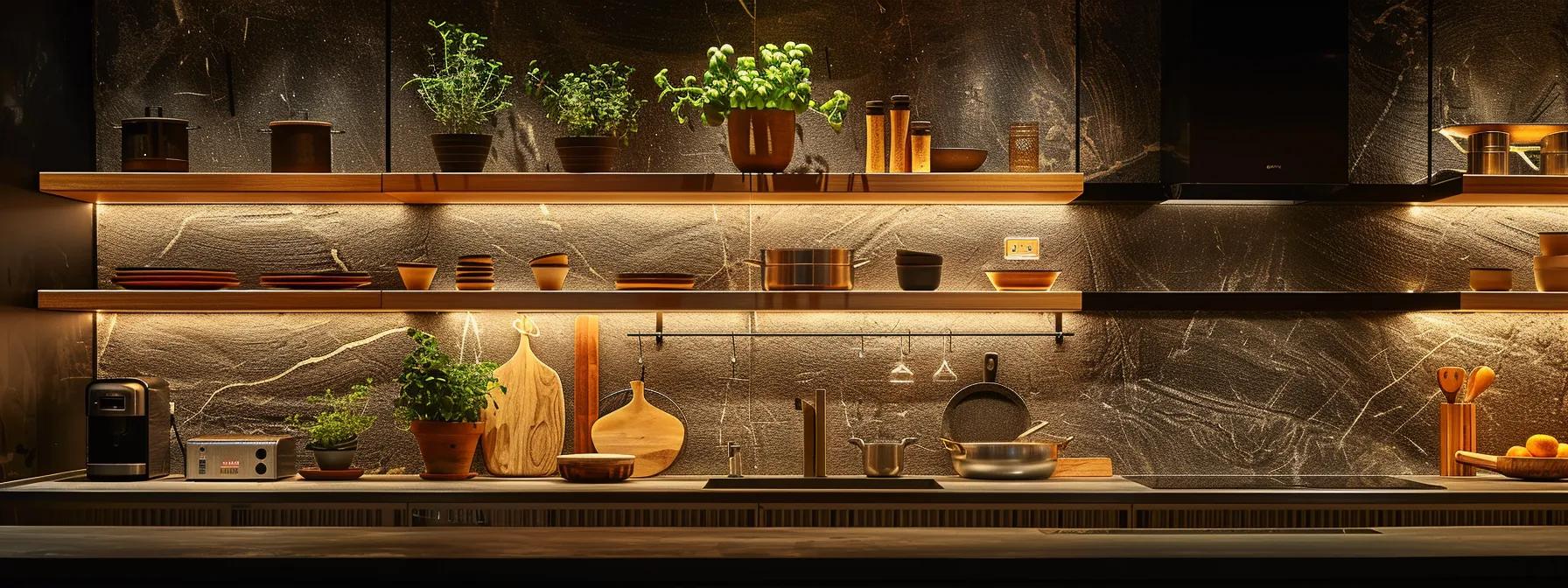
Modern kitchen design is not only about layout—it is about the materials and textures that set the tone for the entire space. Material innovations are at the forefront of design trends as homeowners seek durable, sustainable, and aesthetically pleasing surfaces. Natural stone countertops, for instance, have been a staple for decades, and their timeless appeal continues to influence new ideas. Combining materials such as quartz, bamboo, marble, and terracotta can create a dynamic and layered look that highlights the warmth and texture of your kitchen.
Natural Stone Countertops for a Timeless Kitchen Transformation Natural stone countertops remain one of the most popular features in kitchen design. Granite, marble, and quartz not only provide a robust and long-lasting surface but also add unique natural variations that cannot be replicated by synthetic materials. These materials come with inherent durability and heat resistance, making them ideal for active kitchens. In addition to their aesthetic appeal, natural stone countertops are also easy to clean and maintain when properly sealed, ensuring they remain a key element of your kitchen remodel for years to come. For example, quartz countertops are known for their resilience and low maintenance, while marble offers unrivaled beauty with its distinctive veins and patterns.
Sustainable Materials in Eco-Conscious Kitchen Design Ideas 2023 Sustainability is a critical component of today’s design ethos, and many homeowners are prioritizing eco-friendly materials. This trend is driving innovations that combine style with environmental responsibility. Recycled glass, reclaimed wood, and bamboo are increasingly used for cabinetry and flooring to reduce the environmental impact of kitchen remodels. Besides their green credentials, these materials often provide a unique texture and warmth to the space. For instance, bamboo offers a modern, sustainable alternative to traditional hardwood, while recycled glass countertops add a splash of color and shine. Designers are finding creative ways to mix these elements, resulting in kitchens that are as environmentally friendly as they are visually impressive.
Textured Backsplashes Adding Depth to Your Kitchen Space A backsplash is more than just a protective layer behind the stove or sink; it is a design statement that can add depth and character to your kitchen. Textured backsplashes, whether made of ceramic, glass, or even metal, can create a captivating visual contrast against smooth countertops and cabinetry. These surfaces are available in a variety of colors and patterns, allowing you to customize your kitchen’s aesthetic. Textured tiles, when combined with subtle lighting, can produce a stunning effect that enhances the overall atmosphere. This trend is particularly popular in modern and industrial kitchens, where the play of light and shadow on textured surfaces adds a three-dimensional element to the design.
Warm Wooden Accents Creating a Cozy Kitchen Transformation Wooden accents have become synonymous with warmth and invitation in a kitchen. Whether used on cabinetry, open shelving, or decorative elements, wood provides an organic touch that softens the industrial feel of metal and stone. Warm wooden accents can be showcased through reclaimed wood finishes, oak details, or even user-designed custom panels to create a balanced contrast with sleek modern elements. The addition of wood not only makes the kitchen feel more homely but also contributes to improved acoustics and a sense of pride in craftsmanship. This trend is particularly effective in farmhouse and mid-century modern designs, where wood plays a vital role in creating a cozy environment.
Sleek Metal Finishes for a Contemporary Kitchen Feel Metal finishes, including stainless steel and brass, have long been favored in kitchen design for their modern and industrial aesthetics. The integration of sleek metal elements can dramatically transform a kitchen by infusing a sense of elegance and high-tech appeal. Kitchen cabinets with metal handles, pendant lights with chrome detailing, or even statement-range hoods can serve as focal points that elevate the overall design. Moreover, metal finishes are highly durable, easy to maintain, and provide a reflective quality that can enhance natural lighting. When paired with minimalist décor, metal accents can create a clean, sophisticated look that embodies contemporary design philosophies.
Color Palette Strategies Will Transform Your Kitchen Space in 2023
Color plays a pivotal role in dictating the mood and style of a kitchen. The right palette can influence perceptions of space, set the tone for a room, and impact everything from energy levels to productivity. In 2023, designers are experimenting with bold accent colors, two-tone cabinetry, and monochromatic schemes to create visuals that are both striking and harmonious. Whether you are aiming for a vibrant pop of color or a serene, neutral atmosphere, adopting the right hues can make a transformative difference in your kitchen remodel.
Using Bold Accent Colors for a Striking Kitchen Update Bold accent colors are the perfect way to inject energy and personality into your kitchen. By incorporating a vibrant color into an element such as an island, cabinetry, or a statement wall, the designer creates a focal point that draws attention and elevates the space. Popular choices include deep blues, emerald greens, and even rich burgundy tones that evoke a sense of luxury and modernity. Bold accents work particularly well in kitchens with otherwise neutral palettes, as they add a playful contrast against white, grey, or beige backgrounds. This design strategy is not only visually impactful but also cost-effective, as it often involves updating just one focal area rather than a complete overhaul of color schemes. Studies have shown that incorporating bold accents can boost perceived energy levels and stimulate creativity in the space, making it a fantastic choice for those who use their kitchen as both a cooking area and a gathering place.
Two-Tone Cabinetry Ideas to Transform Kitchen Visuals Two-tone cabinetry has emerged as a popular trend in kitchen design due to its ability to add depth and contrast without overwhelming the space. This design technique involves using two complementary colors on different sets of cabinets or in different areas of the kitchen—for instance, a darker shade on lower cabinets paired with lighter upper cabinets. The visual balance achieved through this approach not only enhances the overall aesthetic but also creates a more dynamic and engaging environment. Two-tone designs allow homeowners to combine modern minimalism with playful sophistication, tapping into both current trends and timeless design principles. The careful selection of complementary hues can help highlight architectural features and improve spatial perception, making the kitchen appear larger and more open.
Calming Neutral Tones for a Serene Kitchen Atmosphere Neutral color schemes remain a perennial favorite for those seeking a calm, timeless kitchen that exudes understated elegance. Shades such as soft grey, warm beige, and creamy white provide a versatile backdrop that can be easily accessorized with both bold and subtle accents. These calming hues promote a peaceful, organized environment that not only supports focused work in the kitchen but also serves as a serene living space for relaxation. Neutral tones are particularly effective when paired with natural materials, such as stone and wood, as they enhance the organic textures present in the room. This design approach is ideal for homeowners looking for a long-lasting look that can be easily updated with seasonal décor or simple reinventions over time.
Earthy Color Schemes Offer 2023 Kitchen Ideas for Natural Connection Earthy color schemes are increasingly popular among homeowners who want to connect with nature while enjoying a modern, functional space. This trend features tones inspired by the natural world—think rich terracotta, olive green, and muted mustard. These colors evoke the warmth and authenticity of natural environments, creating a comforting ambiance that feels both grounded and contemporary. Earthy schemes work very well in kitchens that feature sustainable materials like bamboo, recycled glass, or reclaimed wood. By integrating these natural hues with modern design elements—such as quartz countertops or stainless steel fixtures—homeowners create a cohesive look that is visually appealing and environmentally conscious.
Monochromatic Palettes for Sophisticated Kitchen Transformations A monochromatic color scheme uses varying shades of a single color to achieve a sleek and sophisticated look. This approach streamlines the visual impact of the space, reducing clutter and creating a harmonious environment where every element—from cabinetry to backsplash—feels interconnected. Monochromatic kitchens are particularly favored in urban settings where a clean, modern aesthetic is desired. Such palettes can amplify natural light, making the space feel larger and more open. By layering different textures and finishes within the same color family, designers can add depth and interest without disrupting the overall cohesion. This method allows homeowners to explore subtle contrasts and gradations, ultimately achieving a refined and contemporary kitchen design.
Smart Storage Solutions Achieve a Transformed Clutter-Free Kitchen
An efficient kitchen is one that not only looks spectacular but also functions seamlessly. Smart storage solutions help achieve a clutter-free environment by maximizing available space and ensuring that every tool and ingredient has a designated home. With dynamic storage systems, every kitchen can be transformed into an organized haven that boosts productivity and extends the longevity of your kitchen remodel. Innovative cabinetry, hidden pull-out organizers, walk-in pantries, and open shelving concepts are just a few examples of clever storage techniques that can make a significant difference in how a kitchen operates on a day-to-day basis.
Floor-to-Ceiling Cabinetry to Maximize Your Kitchen Space Floor-to-ceiling cabinetry is the ultimate solution for homeowners seeking to exploit every inch of available space. These tall storage units harness vertical space, providing ample room for utensils, cookware, and pantry items all in one cohesive unit. By designing cabinets that stretch from the floor to the ceiling, the kitchen isn’t just transformed in function—it is given an imposing, sophisticated look that can serve as the focal point of the room. Custom-built options allow for integrated features like adjustable shelving, pull-out baskets, and hidden compartments that keep items out of sight yet easily accessible. The unified look of floor-to-ceiling cabinetry also contributes to a cleaner and more streamlined kitchen aesthetic that underscores minimalism and functionality.
Clever Pull-Out Organizers Offer Efficient Kitchen Storage Ideas 2023 Clever pull-out organizers are increasingly popular in modern kitchens, as they allow for maximum utilization of otherwise awkward spaces. From deep drawers with sliding trays to hidden spice racks and built-in recycling bins, these innovations ensure that every item in the kitchen is stored neatly and can be easily retrieved when needed. These organizers work effectively in confined spaces and help in reducing clutter on countertops, making it easier to maintain an organized and efficient environment. For instance, adjustable pull-out shelves can accommodate items of varying heights, while specialized dividers keep small kitchen tools and utensils neatly arranged. Using these smart storage solutions not only improves the functionality of the space but also contributes to the overall visual appeal by creating clean lines and reducing visual clutter.
Walk-in Pantry Designs for an Organized Kitchen Transformation A walk-in pantry is the dream storage solution for many homeowners who require extra space for bulk ingredients, kitchen gadgets, and non-perishable goods. Modern walk-in pantries are designed to be both functional and stylish, often featuring glass doors, adjustable shelving systems, and dedicated areas for refrigeration and freezing. These pantries make it easy to organize items by category, ensuring that ingredients are always at your fingertips. The walk-in pantry concept extends kitchen living space into a dedicated storage area, creating an uncluttered workspace that enhances productivity and reduces stress during meal preparation. Additionally, this design element is highly customizable and can be adapted to fit both large and small homes, making it a versatile option for anyone looking to improve kitchen storage.
Hidden Storage Ideas for a Minimalist Kitchen Aesthetic Hidden storage solutions are essential for achieving a minimalist kitchen aesthetic. These ideas include installing pull-out drawers behind cabinet doors, incorporating concealed compartments into islands, and using sliding panels to hide appliances and utensils. The goal is to maintain a clean, uninterrupted surface without visible clutter, thereby enhancing the overall design integrity. Homeowners who embrace hidden storage can enjoy the benefits of an organized space without sacrificing style. Cabinets equipped with these innovative features create a sense of mystery and sophistication, as items are only revealed when needed. This approach allows for an uncluttered look that is aligned with minimalist and eco-friendly principles, ensuring that the kitchen remains a serene and inviting space.
Open Shelving Concepts for Stylish and Accessible Kitchen Displays Open shelving is a design trend that provides both storage and an opportunity to display your favorite kitchen items. These shelves can be used to showcase beautiful dishware, cookbooks, or artisanal accessories, and they offer a sense of openness that contrasts with the enclosed nature of traditional cabinetry. Open shelving encourages creativity and personalization, allowing the homeowner to curate a collection of items that reflect their style. However, it requires careful management to prevent disorder, so integrating baskets and organizers is critical. This solution not only improves accessibility to everyday items but also transforms the kitchen into a space where function and aesthetics merge seamlessly.
Lighting Designs Reshape Your Kitchen Ambiance and Function
Proper lighting is one of the most essential aspects of modern kitchen design, influencing both functionality and overall ambiance. Lighting can reshape the perception of space, enhance colors and textures, and create mood. Whether through natural light, strategically placed artificial lighting, or smart technologies, an effective lighting design is key to a successful kitchen remodel. Designers today prioritize layered, customizable lighting styles that cater to diverse activities—from cooking and task lighting to ambient and decorative illumination.
Layered Lighting Schemes Present Transformative Kitchen Illumination Ideas Layered lighting is a sophisticated approach that incorporates multiple light sources to create a balanced and adaptable illumination system. In kitchens, this usually means combining overhead recessed lights, under-cabinet lighting, pendant fixtures, and accent lights. By layering different types of lighting, you can ensure that every task area is sufficiently bright while still maintaining a warm, inviting atmosphere. For example, while recessed lighting provides general illumination, under-cabinet lights are critical for precise tasks like chopping vegetables or reading recipes. This strategy allows homeowners to control lighting levels according to specific needs, creating a versatile space that supports both functional use and leisurely dining experiences.
Statement Pendant Lights Act as Focal Points in Kitchen Design 2023 Pendant lights have emerged as a hallmark of modern kitchen design, serving as eye-catching focal points that combine style and functionality. Large, stylish pendant fixtures hang gracefully over kitchen islands or dining areas, adding a touch of elegance and personality. These lights are available in various finishes—from brushed metal to brass—and can be customized to match any décor style. Besides their decorative appeal, statement pendant lights also provide excellent task lighting and can help to define zones within an open-concept layout. Their ability to elevate the look of the kitchen while also serving a practical purpose makes them a popular choice among designers and homeowners alike.
Under-Cabinet Lighting Provides Enhanced Task Visibility and Mood Under-cabinet lighting is crucial for creating an efficient and visually appealing kitchen environment. Installed beneath countertops, these lights offer concentrated illumination for work surfaces such as preparation areas, cutting boards, and stoves. The enhanced brightness ensures safer food preparation and helps reduce eye strain during extended cooking sessions. Additionally, under-cabinet LEDs can be dimmed or adjusted to suit different times of the day, adding a subtle ambiance that complements the overall design. This lighting solution is particularly effective in modern kitchens where clean lines and a clutter-free look are prioritized. With the advancement of smart lighting technology, these fixtures can now be integrated into home automation systems, ensuring that the kitchen ambiance can be tailored instantly via smartphone or voice control.
Smart Lighting Controls Create Customizable Kitchen Environments Smart lighting controls represent the next frontier in kitchen design, transforming traditional lighting systems into dynamic, responsive setups. Homeowners can now adjust brightness, hue, and even lighting patterns using mobile devices or voice-controlled assistants. Such systems allow for tailored environments that adapt to various activities—from bright, cool lighting during meal preparation to warm, dimmed settings for dinner parties. In addition, smart lighting can be scheduled to mimic natural daylight patterns, contributing to a healthier circadian rhythm and energy efficiency. The ability to program and automate your kitchen lighting not only adds convenience but also enhances the overall aesthetic, ensuring that every moment spent in the space is perfectly lit.
Maximizing Natural Light Can Transform Your Kitchen Space Natural light remains one of the most powerful design elements in any kitchen remodel. Large windows, skylights, and glass doors serve to flood the space with sunlight, highlighting design features and creating an airy, invigorating atmosphere. By maximizing natural light, you can reduce the reliance on artificial sources during daylight hours, which is both energy-efficient and aesthetically pleasing. Designers often recommend configuring window placements and using reflective surfaces, such as high-gloss countertops or light-colored backsplashes, to bounce light throughout the room. In kitchens where space is limited or privacy is a concern, strategic placement of frosted or textured glass can maintain the flow of natural light while still providing room for personal expression.
Sustainable Wellness Kitchen Design Ideas Transform Your Home in 2023
The intersections between sustainability, wellness, and kitchen design are stronger than ever before. Homeowners are increasingly aware of the environmental impact of their choices, which has led to an upsurge in designs that are not only stylish but also promote health and well-being. Sustainable wellness kitchen design ideas incorporate eco-friendly materials, energy-efficient appliances, and biophilic design elements—all contributing to a safer, cleaner, and more nurturing space for cooking and gathering. By integrating these concepts into your remodel, you can improve the indoor air quality, reduce waste with recycling and efficient storage, and create a truly harmonious environment that benefits both the planet and your family.
Biophilic Design Elements Foster a Healthier Kitchen Environment Biophilic design integrates natural elements into indoor spaces to improve well-being and reduce stress. In the kitchen, this can be achieved by incorporating indoor plants, using natural materials like wood or stone, and optimizing views of nature through large windows. Studies (Kellert, 2018, https://www.sciencedirect.com) have shown that spaces with biophilic design can lower stress levels and enhance mood by up to 20%. Additionally, the presence of natural elements in the kitchen encourages healthy cooking practices and sustainability. For instance, using reclaimed wood for cabinetry or natural stone for countertops not only supports environmentally friendly practices but also evokes a sense of calm and balance. This connection to nature can transform your kitchen into a sanctuary that nourishes both body and mind.
Energy-Efficient Appliances Are Key Kitchen Transformation Ideas for 2023 Upgrading to energy-efficient appliances is a win–win solution that enhances the function and sustainability of your kitchen. Modern refrigeration, ovens, and dishwashers are designed to consume significantly less power while maintaining high performance. These appliances often come with smart features that allow for remote monitoring and minimal energy wastage. In fact, studies have indicated that switching to energy-efficient models can reduce household energy consumption by up to 15% (U.S. Department of Energy, 2021, https://www.energy.gov). Not only does this contribute to a lower carbon footprint, but it also results in long-term savings on utility bills. As more homeowners look for cost-effective and environmentally friendly home improvements, energy-efficient appliances have become an indispensable element of modern kitchen design.
Water-Saving Fixtures Feature in Modern Sustainable Kitchens Water conservation is another critical aspect of sustainable kitchen design. Installing water-saving faucets and fixtures can significantly reduce water consumption without sacrificing performance. Modern technologies offer sensors and automatic shut-off features that optimize water flow, ensuring minimal waste. These fixtures are particularly beneficial in busy households, helping to maintain a lower environmental impact while also reducing utility bills. As a sustainable solution, water-efficient faucets and dishwashers contribute to an overall design ethos that values resource conservation. Their sleek, modern designs complement any kitchen aesthetic, making them a smart choice for eco-conscious homeowners committed to long-term sustainability.
Creating Dedicated Wellness Zones Within Your Kitchen Space A unique trend in modern kitchen design is the creation of dedicated wellness zones. These are specific areas within the kitchen designed for activities that promote physical and mental well-being, such as meditation corners, smoothie bars, or even yoga spaces. By carving out a dedicated space for wellness, homeowners can integrate healthy habits into their daily routines. Such zones might include comfortable seating with natural textiles, soft lighting, and calming colors that encourage relaxation and mindfulness. This strategic partitioning not only adds functional value to the kitchen but also contributes to a balanced lifestyle by creating spaces devoted to self-care and rejuvenation.
Air-Purifying Materials Promote an Improved Kitchen Atmosphere Indoor air quality is a key component of sustainable wellness design, and using air-purifying materials in the kitchen can make a significant difference. Materials like certain types of stone, bamboo, or specialized ceramic tiles have properties that help filter pollutants and improve air circulation. The use of these substances in flooring, countertops, or backsplashes can reduce contaminants and allergens, resulting in a cleaner, healthier environment. This is particularly important in kitchens where cooking fumes and moisture can otherwise degrade air quality. Homeowners who prioritize wellness in their design are increasingly turning to such materials to create a space that is not only visually stunning but also contributes positively to overall health.
Frequently Asked Questions
Q: What is the most effective kitchen layout for modern living? A: Open-concept designs that blend the kitchen with dining or living spaces are highly effective. They foster interaction, allow maximum natural light, and create a fluid, spacious atmosphere that supports both social and cooking activities.
Q: How can sustainable materials be integrated into a kitchen remodel? A: Designers are incorporating eco-friendly materials such as reclaimed wood, bamboo cabinetry, and recycled glass countertops. These materials not only reduce environmental impact but also add textures and warmth to the space.
Q: What are the benefits of using two-tone cabinetry? A: Two-tone cabinetry creates visual interest through contrast and depth while maintaining a cohesive design. By using complementary colors on different cabinet sections, homeowners enhance spatial perception and add a dynamic element to the overall kitchen design.
Q: How do smart storage solutions improve kitchen functionality? A: Smart storage techniques, such as pull-out organizers, floor-to-ceiling cabinetry, and walk-in pantries, maximize space utilization, keep countertops clutter-free, and ensure that every item is easily accessible. This boosts efficiency during meal preparation and cleaning.
Q: What role does lighting play in transforming a kitchen? A: Effective lighting design, including layered lighting and smart controls, enhances both task efficiency and ambient mood. It illuminates work zones, accentuates textures and materials, and provides the flexibility to adapt to various activities throughout the day.
Q: How does incorporating wellness zones benefit a kitchen space? A: Creating dedicated wellness zones encourages healthy habits by designating areas for relaxation, meditation, or light exercise. This integration fosters both physical and mental well-being, making the kitchen a center for comprehensive home improvement.
Q: Are energy-efficient appliances worth the investment in a remodel? A: Yes, energy-efficient appliances significantly reduce energy consumption and lower utility bills. They also contribute to a sustainable home environment while providing high performance and smart features for modern living.
Final Thoughts
Transforming your kitchen is more than a home improvement project—it is an opportunity to blend functionality with innovation and sustainability. By reimagining layouts, embracing material and texture innovations, and implementing effective lighting and storage solutions, homeowners can create a kitchen that perfectly matches their lifestyle needs. Incorporating sustainable wellness design principles further enhances this transformation, making the space healthier and more eco-friendly. Ultimately, careful planning and execution in your kitchen remodel can lead not only to a visually stunning room but also to a highly efficient and enjoyable cooking environment.