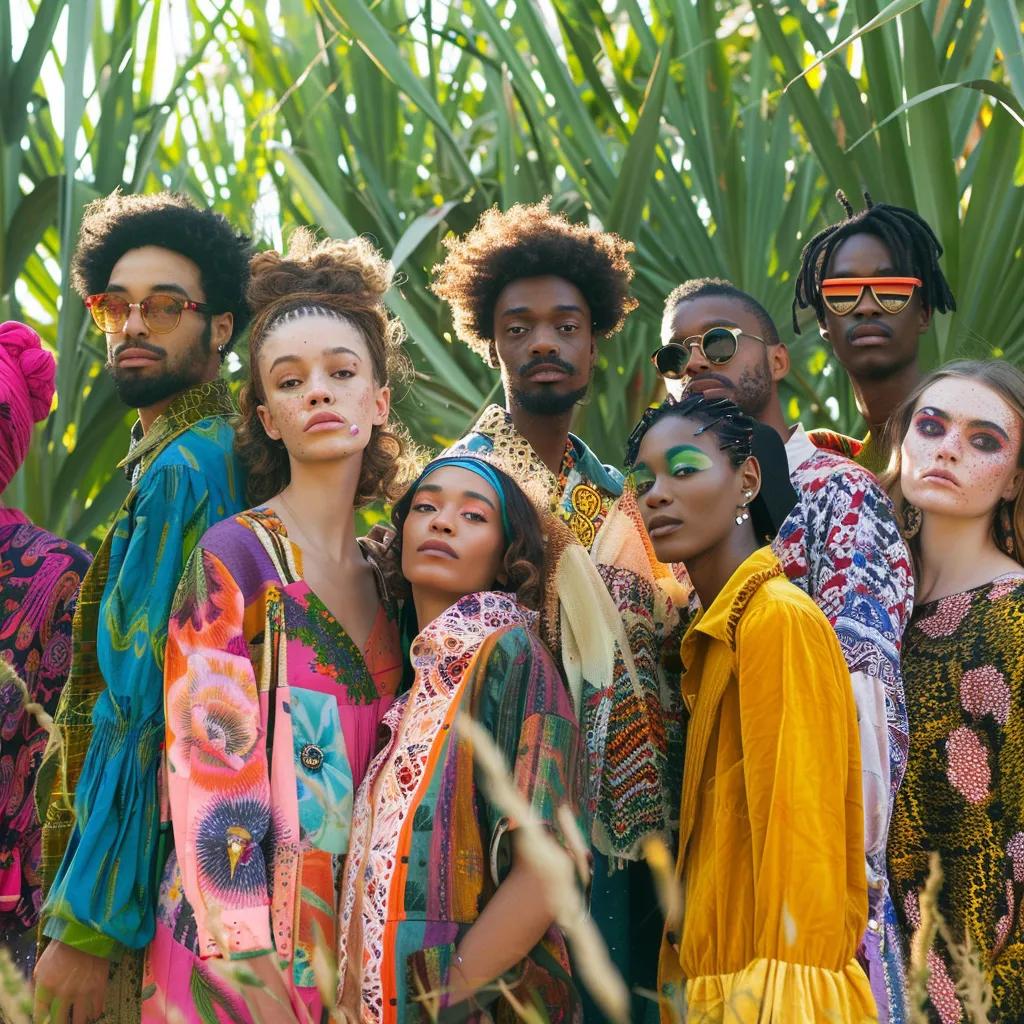
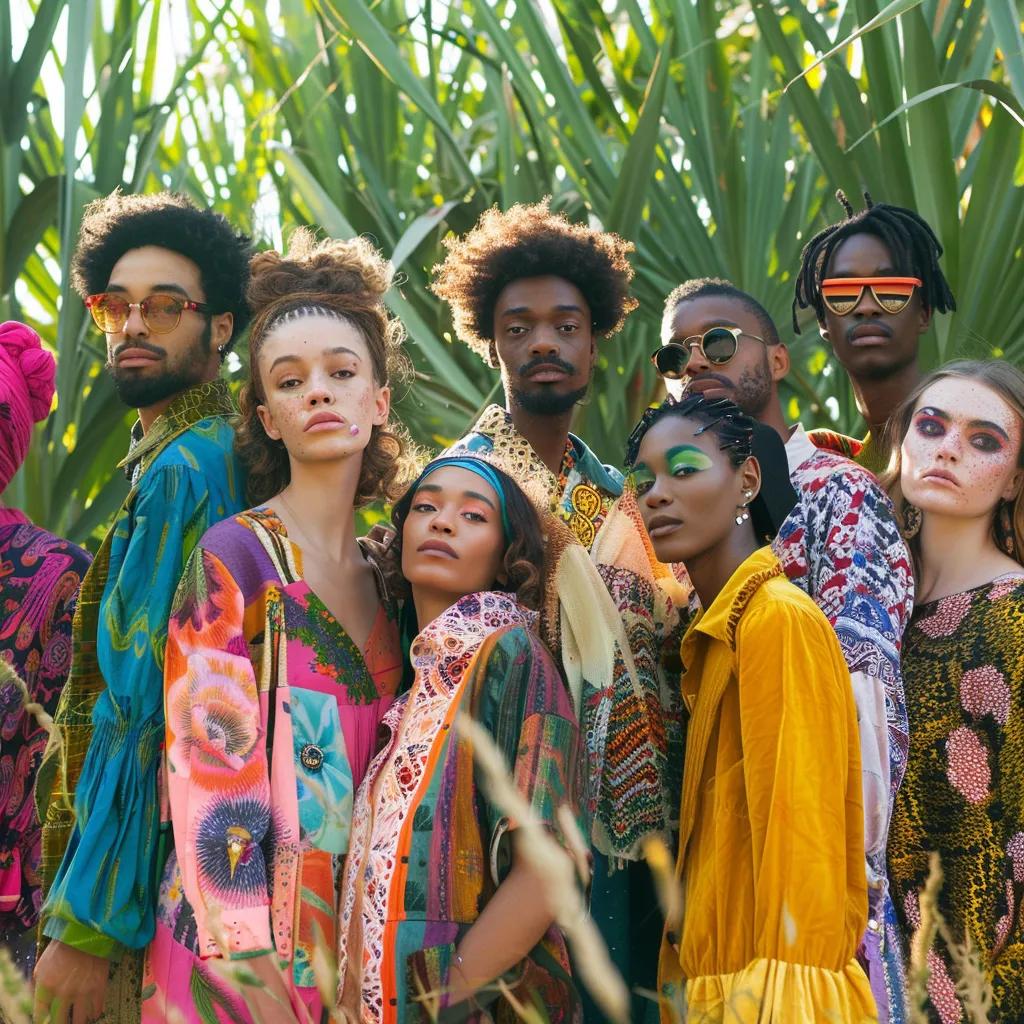
The global fashion industry produces nearly 10% of humanity’s carbon emissions each year, putting pressure on conscientious shoppers to find authentic ecofriendly clothing. Yet greenwashing and confusing labels leave many consumers paralyzed. This guide cuts through the noise by explaining our vetting criteria, highlighting the top three brands for quick decisions, profiling ten industry leaders, defining essential sustainability terms, offering actionable shopping tips, addressing common consumer concerns, and pointing to deeper resources—all centered on sustainable fashion and ethical brands.
How Did We Choose These 10 Sustainable Fashion Brands?
We evaluated each label against rigorous standards to ensure materials, manufacturing and transparency meet real sustainability goals. Brands had to score high on eco-materials, third-party certifications, ethical labor practices and circularity programs. This methodology builds trust and highlights true leaders in ethical apparel.
What Are the Key Criteria for Sustainable Fashion Brands?
Sustainable fashion brands earn their status by prioritizing:
- Materials – Organic cotton, recycled polyester, TENCEL™ and innovative vegan leathers.
- Certifications – Verified seals such as B Corp, GOTS and Fair Trade.
- Ethical Production – Living wages, safe workplaces and transparent supply chains.
- Circularity – Take-back programs, repair services and resale initiatives.
Meeting these standards ensures garments minimize environmental impact while safeguarding workers’ rights, setting the stage for certification explanations.
Key Criteria for Sustainable Fashion Brands
Sustainable fashion brands prioritize eco-materials, certifications, ethical production, and circularity programs to minimize environmental impact and safeguard workers’ rights.
This aligns with the article’s explanation of the key criteria that define sustainable fashion brands.
How Do Certifications Like B Corp and GOTS Validate Sustainability?
B Corp certification and GOTS accreditation independently confirm a brand’s social and environmental performance. B Lab assesses corporate governance, community engagement and carbon footprint, while GOTS inspects organic fiber sourcing, chemical use and traceability. These seals act as reliable shortcuts for shoppers seeking verified eco-credentials, guiding them past vague marketing claims toward proven sustainability.
B Corp Certification and GOTS Accreditation
B Corp certification and GOTS accreditation independently validate a brand’s social and environmental performance, providing reliable shortcuts for shoppers seeking verified eco-credentials.
This supports the article’s discussion on how certifications validate sustainability claims.
Why Is Avoiding Greenwashing Critical When Choosing Brands?
Greenwashing occurs when brands exaggerate or falsify eco-claims to appear more sustainable than they are. Common red flags include:
- Overusing buzzwords without proof.
- Hiding supply chain data.
- Promoting one “green” product while ignoring overall impact.
Spotting these tactics empowers consumers to back only genuinely ethical brands and prevents funding harmful fast-fashion practices.
Greenwashing Tactics
Greenwashing occurs when brands exaggerate or falsify eco-claims, and common red flags include overusing buzzwords without proof, hiding supply chain data, and promoting one “green” product while ignoring overall impact.
This supports the article’s explanation of greenwashing and how to identify it.
What Are the Top 3 Sustainable Fashion Brands at a Glance?
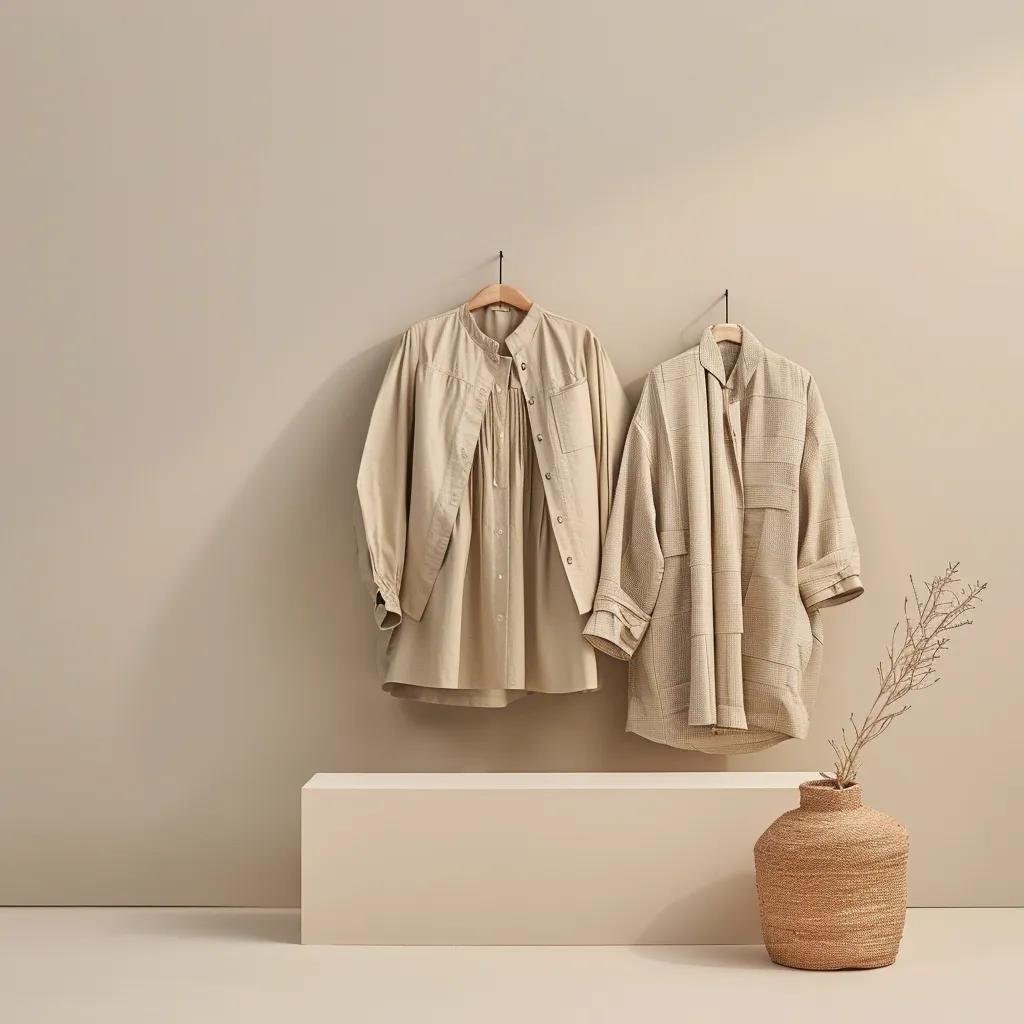
Below is a quick comparison of the three standout labels for different budgets and lifestyles.
Each of these brands dominates its segment by blending responsible materials with transparent practices, making them go-to options for focused shoppers before exploring the full top-10 list.
Which Brand Excels in Outdoor and Activism?
Patagonia combines durable outdoor apparel with environmental campaigns like “1% for the Planet” and its Worn Wear repair program. As a certified B Corp, it channels profits into grassroots conservation, demonstrating how a clothing company can drive policy change and resource preservation.
Which Brand Leads in Luxury Vegan Fashion?
Stella McCartney pioneers cruelty-free couture by substituting leather and fur with cutting-edge alternatives such as Mylo™ and recycled fabrics. Its sustainable viscose and circular design programs underscore how high fashion can reduce waste without sacrificing craftsmanship.
Which Brand Offers Affordable and Ethical Basics?
Pact specializes in everyday essentials—tees, underwear and loungewear—made from GOTS-certified organic cotton. Its transparent supply chain and fair-trade partnerships keep prices accessible while ensuring farmers and factory workers earn living wages.
Who Are the 10 Sustainable Fashion Brands You Must Know in 2025?
Below are detailed profiles of the full set of brands that set the benchmark for ecofriendly clothing and ethical practices in 2025.
1. Patagonia – Best for Outdoor Sustainability and Environmental Activism
Patagonia is a trailblazer in combining outdoor performance with planet-first policies.
- Certified as a B Corp and Fair Trade producer
- 1% for the Planet membership funding environmental nonprofits
- Worn Wear program extends product life through repair and resale
Patagonia’s emphasis on recycled materials and activism demonstrates how an apparel brand can advance conservation while delivering durable gear.
2. Stella McCartney – Pioneer in Luxury Vegan and Cruelty-Free Fashion
Stella McCartney refuses all leather and fur, replacing them with innovative plant-based and recycled alternatives.
- Uses Mylo™ mycelium leather and ECONYL® regenerated nylon
- Implements closed-loop production to minimize waste
- Partners with environmental NGOs to launch zero-deforestation initiatives
This luxury house proves high fashion can align with ethical principles and sustainability innovation.
3. Allbirds – Innovative Ecofriendly Footwear with Natural Materials
Allbirds crafts lightweight shoes from wool, eucalyptus fiber and sugarcane-based EVA foam.
- Carbon-neutral certified by the Carbon Trust
- Tree-planting partnership—one pair purchased equals planting one tree
- Renewable materials reduce water usage and landfill waste
By designing for comfort, performance and transparency, Allbirds redefines what ecofriendly footwear can achieve.
4. Veja – Transparent and Fair Trade Certified Sneakers
Veja emphasizes traceability from raw materials to storefront.
- Fair Trade sourcing of Amazonian rubber and organic cotton
- Public cost breakdown for each pair of sneakers
- Zero-deforestation commitments in supply regions
Veja’s radical transparency model enables shoppers to verify every step of production, fostering genuine trust in sneaker sustainability.
5. Eileen Fisher – Circular Design and Ethical Production Leader
Eileen Fisher has institutionalized circularity through take-back and remaking programs.
- ‘Renew’ initiative repurposes returned garments
- Wholesale fair-trade partnerships ensure living wages
- Sustainable viscose and TENCEL™ integration into seasonal collections
By embedding circular principles into its business model, Eileen Fisher reduces textile waste and promotes responsible consumption.
6. tentree – Affordable Basics with a Focus on Tree Planting
tentree plants ten trees for every item sold, balancing affordability with impact.
- Uses organic and recycled fabrics for tees and hoodies
- Verified reforestation partners plant trees in critical ecosystems
- Carbon footprint transparency on each product page
This brand empowers value-conscious shoppers to support global restoration efforts with everyday purchases.
7. Pact – Organic Cotton Essentials for Conscious Consumers
Pact delivers soft, GOTS-certified basics with clear supply-chain disclosures.
- Fair Trade USA certification for worker welfare
- Minimal-dye processes to lower water and chemical use
- Bulk ordering options reduce packaging waste
Through accessible pricing and social compliance, Pact bridges the gap between ethics and affordability.
8. MUD Jeans – Circular Economy Pioneer in Denim
MUD Jeans operates on a lease-and-return model to close the denim loop.
- Recirculates old jeans into new fabric through mechanical recycling
- Fair labor practices certified by Fair Wear Foundation
- Recycled cotton blends reduce resource consumption by up to 90%
MUD Jeans demonstrates how circular business models can reshape garment lifecycles and minimize landfill contributions.
9. Chloé – Luxury Brand Committed to Sustainable Innovation
Chloé integrates eco-materials and artisanal craftsmanship in high-end fashion.
- Leather sourcing aligned with LWG Gold Standard
- Bio-sourced textiles like Vineis and AppleSkin for handbags
- Ongoing carbon reduction goals across all operations
By marrying luxury aesthetics with material innovation, Chloé elevates sustainable design in the couture arena.
10. Kotn – Ethical Sourcing and Organic Cotton Apparel
Kotn traces every garment to the farm, ensuring ethical cotton production in Egypt.
- Direct trade relationships guaranteeing fair pay to farmers
- GOTS certification for all cotton basics
- Transparent pricing and impact reporting on corporate site
Kotn’s farm-to-closet model reinforces how vertical integration can uplift communities and improve traceability.
What Are the Essential Sustainability Terms and Certifications You Should Know?
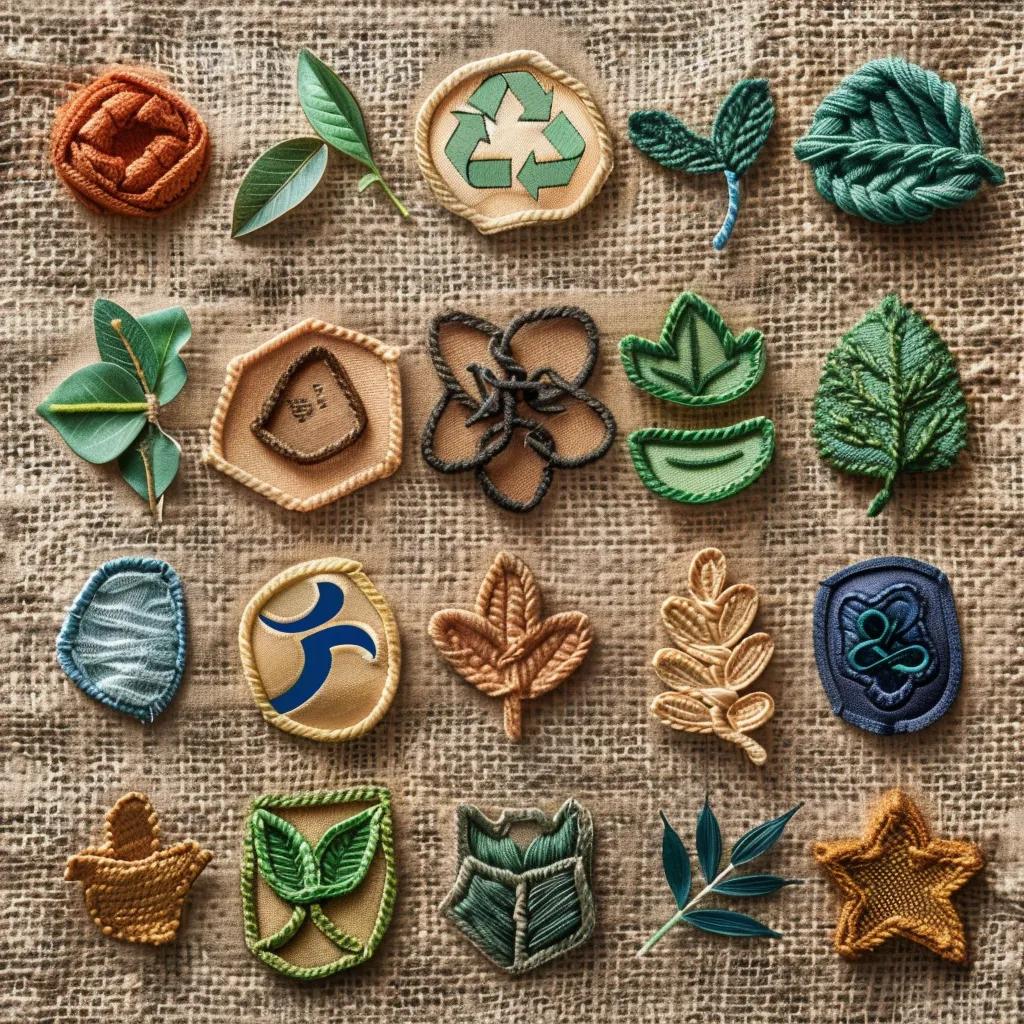
Understanding industry jargon and seals helps shoppers verify genuine eco-commitment.
What Is B Corp Certification and Why Does It Matter?
B Corp status proves a brand meets stringent standards of social and environmental performance. The certification process evaluates governance, worker treatment, community involvement and ecological stewardship to ensure a company operates for people and planet, not just profit.
B Corp Certification
B Corp status proves a brand meets stringent standards of social and environmental performance, evaluating governance, worker treatment, community involvement, and ecological stewardship.
This supports the article’s explanation of B Corp certification and its importance.
How Does GOTS Certification Ensure Organic Cotton Quality?
The Global Organic Textile Standard (GOTS) verifies that cotton is grown without synthetic pesticides and processed using low-impact dyes. It requires full chain-of-custody documentation and social criteria such as fair wages and safe working conditions, guaranteeing truly organic foundations.
GOTS Certification
The Global Organic Textile Standard (GOTS) verifies that cotton is grown without synthetic pesticides and processed using low-impact dyes, guaranteeing truly organic foundations.
This supports the article’s explanation of GOTS certification and its role in ensuring organic cotton quality.
What Does Circular Fashion Mean for Waste Reduction?
Circular fashion aims to eliminate textile waste by designing garments for disassembly, promoting repair and enabling recycling. Take-back initiatives and resale platforms keep materials in use longer, curbing landfill volumes and reducing demand for virgin fibers.
Circular Fashion Definition
Circular fashion aims to eliminate textile waste by designing garments for disassembly, promoting repair, and enabling recycling, keeping materials in use longer.
This supports the article’s explanation of circular fashion and its goals.
How Can You Identify Greenwashing in Fashion?
Consumers can spot misleading eco-claims by checking for:
- Absent or vague certification logos
- Lack of supply-chain transparency
- Disproportionate focus on one “green” product amid fast-fashion lines
- Missing data on carbon footprint or water usage
Greenwashing in Fashion
Consumers can spot misleading eco-claims by checking for absent or vague certification logos, lack of supply-chain transparency, disproportionate focus on one “green” product amid fast-fashion lines, and missing data on carbon footprint or water usage.
This supports the article’s guidance on how to identify greenwashing.
How Can You Become a More Conscious and Ethical Fashion Consumer?
Adopting mindful practices transforms shopping from a habit into a force for positive change.
What Are Practical Ways to Buy Less and Choose Better?
- Prioritize versatile, high-quality pieces that can be mixed and matched.
- Shop second-hand or participate in clothing swaps to extend garment lifespans.
- Research brand impact before purchasing by reviewing certification reports and transparency pages.
Focusing on quality over quantity reduces textile waste and supports truly sustainable labels.
How Can You Care for Clothes to Extend Their Life?
- Wash garments in cold water and air-dry to lower energy use and fabric stress.
- Mend small tears and replace buttons promptly to avoid discarding items prematurely.
- Store natural fibers in breathable containers to prevent mildew and insect damage.
Proper maintenance preserves material integrity, delaying the need for replacement.
What Questions Should You Ask Brands About Their Sustainability?
Ask for proof of certifications, details on worker conditions, raw-material sourcing maps and annual impact reports. Brands that openly share this information demonstrate accountability and earn consumer trust.
How Can Certifications Guide Your Purchasing Decisions?
Using recognized seals—B Corp, GOTS, Fair Trade—serves as a reliable shortcut to assess environmental and social standards. These third-party validations link claims to verifiable audits, ensuring shoppers back brands with documented practices.
What Are the Most Frequently Asked Questions About Sustainable Fashion Brands?
Consumers often seek clarity on environmental leadership, authenticity and material choices when exploring ethical brands.
What Is the Most Environmentally Friendly Clothing Brand?
Brands like Patagonia and Allbirds frequently top environmental rankings for their carbon-neutral commitments, high percentages of recycled or organic materials and robust take-back programs that minimize waste and resource use.
How Can You Tell If a Fashion Brand Is Truly Sustainable?
Look for detailed impact reports, transparent supply-chain maps, multiple third-party certifications and circularity initiatives. Verifiable data on water usage, carbon emissions and worker welfare distinguish genuine leaders from superficial marketers.
Is Zara or H&M More Sustainable?
Fast-fashion giants like Zara and H&M have launched eco-lines and recycling programs, but their overall volume and rapid production cycles limit genuine sustainability gains. In contrast, smaller B Corps and organic-cotton specialists maintain consistent standards across entire collections rather than individual “green” capsules.
What Are Examples of Sustainable Fabrics Like Organic Cotton and TENCEL™?
Organic cotton is grown without synthetic chemicals, certified under GOTS. TENCEL™ Lyocell uses closed-loop processing of wood pulp to reclaim solvents, reducing water and chemical inputs. Both fabrics offer reduced ecological footprints compared with conventional alternatives.
Where Can You Find More In-Depth Information on Sustainable Fashion Topics?
For readers seeking deeper dives into certifications, greenwashing and fabric technology, explore these specialized guides on our Information Hub.
What Is a B Corp Certification and Why Does It Matter for Fashion?
Learn the full certification process, scoring criteria and case studies in our dedicated B Corp guide: www.google.com/what-is-b-corp-certification
How to Spot and Avoid Greenwashing in Fashion: 5 Red Flags
Discover common deceptive tactics and prevention strategies in our greenwashing exposé: www.google.com/avoid-greenwashing
The Ultimate Guide to Sustainable Fabrics: Organic Cotton, TENCEL™, ECONYL®
Explore material science, environmental comparisons and supplier lists in our fabric deep-dive: www.google.com/sustainable-fabrics-guide
Detailed Reviews of Each Featured Sustainable Brand
Read extended brand narratives, product reviews and impact analyses in our individual brand reviews: www.google.com/brand-reviews
Patagonia’s success in activism, Stella McCartney’s vegan innovations and Pact’s affordable basics illustrate the diverse faces of sustainable fashion. By understanding key certifications, spotting greenwashing and adopting mindful consumption habits, you can align your wardrobe with ethical values. Each brand profiled here offers a model for reducing environmental impact and supporting fair labor. Use this guide as a roadmap to build a more conscientious closet in 2025 and beyond.